community friendly premium catalytic oxidizing reactors for gaseous pollutants?
Commencing
Volatile organics cause health risks (Chemicals) threatening human well-being and ecosystem. Common extraction processes need intense energy expenditure and yield dangerous byproducts. Zeolite cycle devices furnish natural substitutes, delivering powerful VOC removal through airborne particles. These substances possess expansive exposed surfaces plus special pores allowing superior VOC capturing.
- Also, zeolite turntable systems restore, minimizing environmental impact and costs.
- Therefore, zeolite turntable technology spreads in various operational environments, including worksite pollutant supervision, inhabited space freshening, and industrial water correction.
Implementation of zeolite wheels signifies a major change for eco-friendly VOC elimination, offering environmental plus financial benefits.
Thermal Regenerative Oxidizers: High-Performance Air Treatment
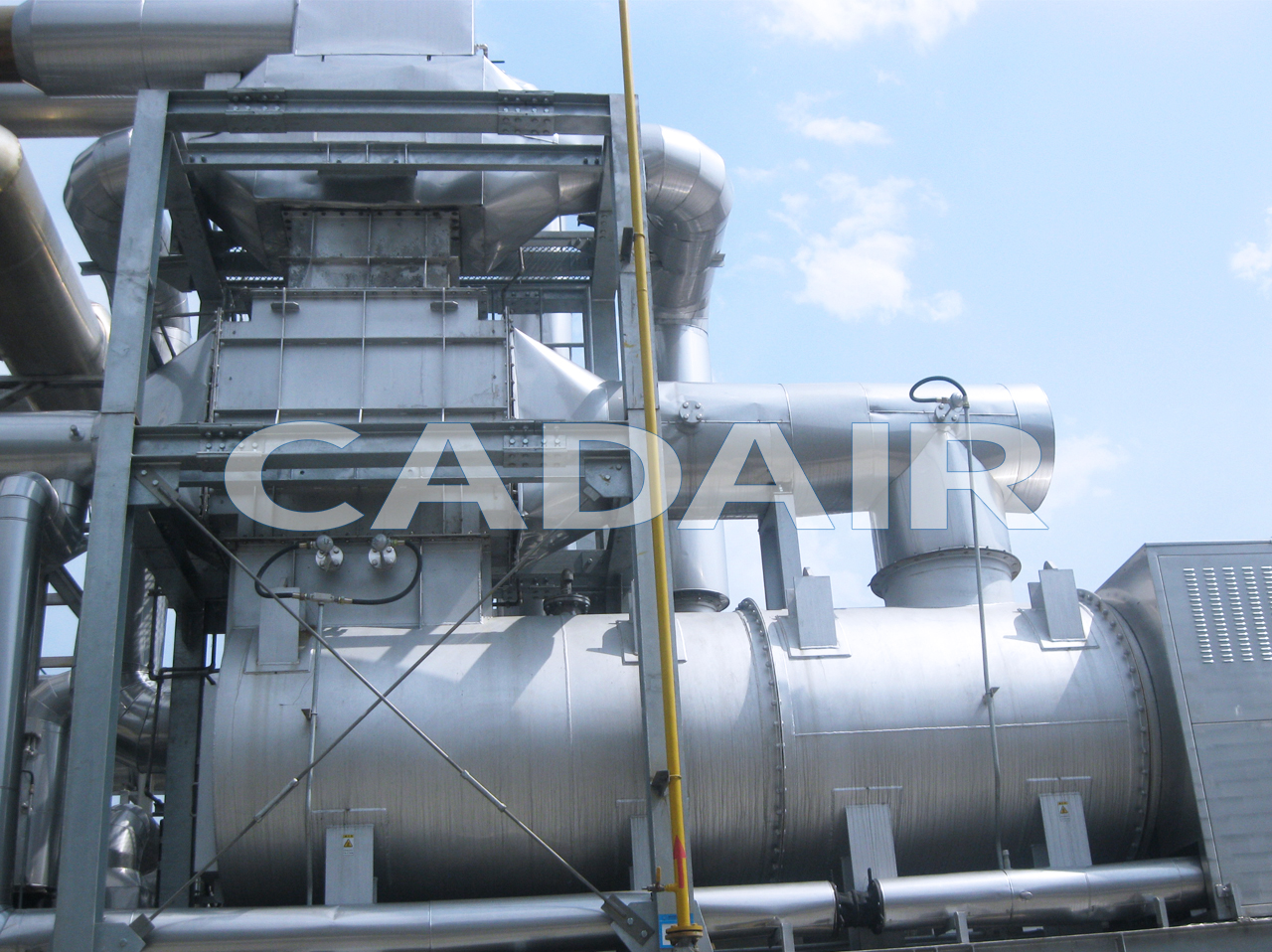
Thermal recovery oxidizers offer leading air cleaning methods. These systems apply thermal oxidative methods of defiled drafts at increased thermal settings, fully converting harmful substances into non-toxic residues. The process is energy-saving due to its regenerable heat reuse. Such oxidizers efficiently remove VOCs, particulates, and airborne toxins. Their applications span many industrial sectors, including fabrication, CO healthcare, and waste processing.Rewards include purified air, ecological friendliness, and economic advantage. Also, shrunk size and reduced upkeep present them favorable.
Catalytic Reaction Systems: Emission Control Innovations
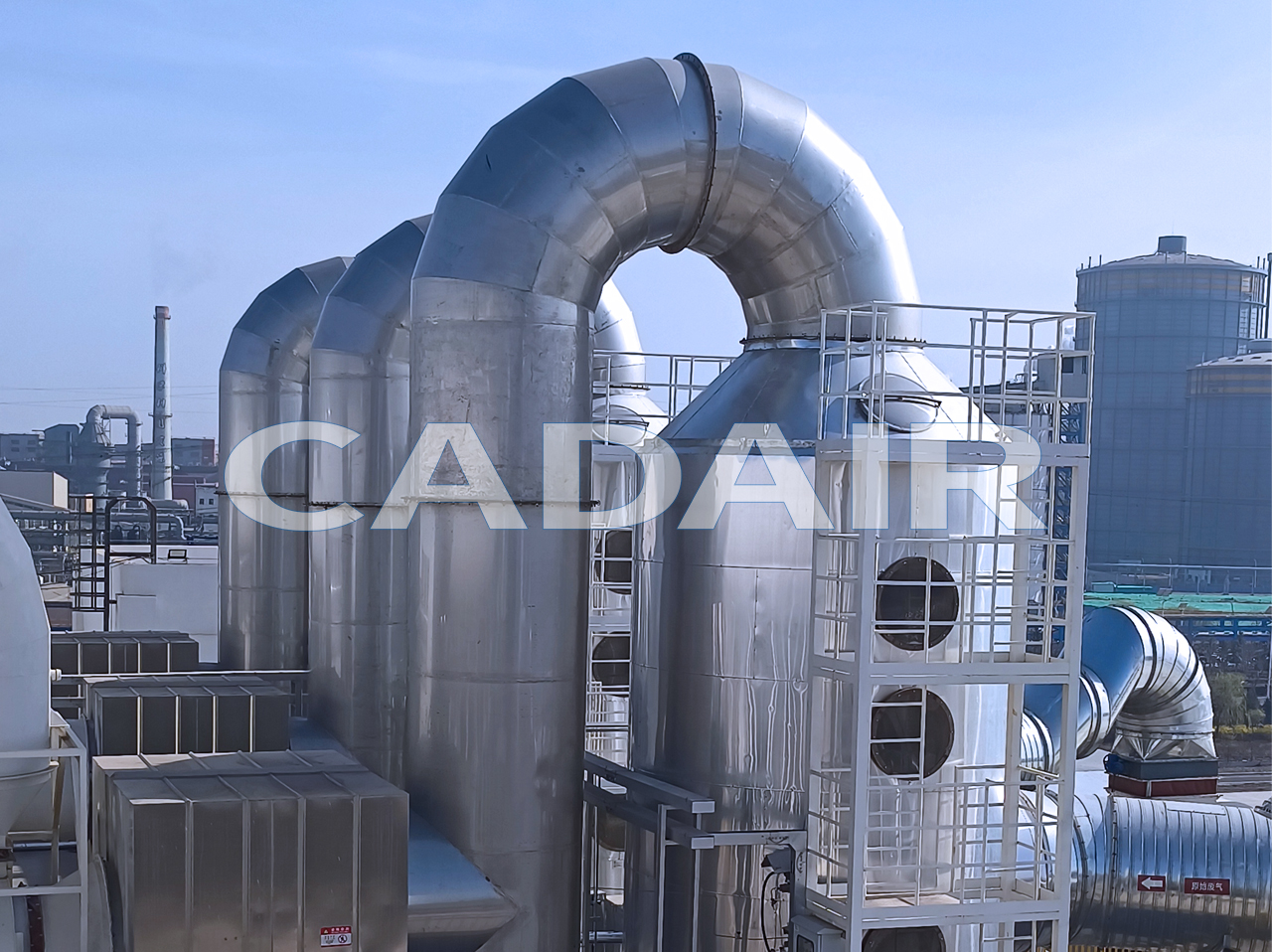
Building operations emit hazardous volatile compounds. Catalyst-driven oxidation installations lower ecological footprints. Catalytic substances promote change from hazardous to clean forms. Catalysts enhance oxidation rates and decrease electricity consumption.
Range of catalysts match selective requirements, including precious metals such as platinum and palladium. Catalyst preference vital to enhance reduction rates. Design optimization enables enhanced reaction rates to strengthen transformation outcomes.
Catalytic oxidation surpasses conventional techniques via specificity. They remove selected toxins preserving other compounds. Moreover, they sustain lower thermal regimes cutting charges. Steady improvements optimize emission reduction via catalysis facilitating cleaner processes and healthier environments.
Refining Regenerative Catalytic Oxidizer Output
Attaining best function implies precise tuning. Electing right catalytic compounds counts. Calibrating key parameters like warmth and residence interval upgrades system output. Auditing and examination procedures maintain functionality. Ongoing servicing and assessments bolster durability of the system and function.
Zeolite Roles Within Thermal Oxidation Units
Regenerative oxidizers serve essential functions suppressing volatile organics. Zeolite materials offer essential roles via selective trapping and catalysis. Distinct VOC capture facilitates thorough oxidation. In addition, zeolitic materials stimulate oxidation reducing fuel consumption and advancing efficiency.
- Consequently, zeolite inclusion in RTOs upgrades VOC elimination, energy savings, and ecology.
Assessing Zeolitic Materials Relative to Traditional Catalysts
Recent catalytic discoveries produced evaluative examinations of zeolitic materials and conventional catalysts in RTOs. These tests assess catalyst properties, selectiveness, stability under heat, and economics. Closing by gauging zeolite catalyst effectiveness in complete VOC degradation in RTOs. These insights foster improved and sustainable air quality management.
- Zeolites possessing extensive porosity and surface region hold catalytic advantages.
- Traditional catalysts, largely metal oxides, face limitations in activity and selectivity.
Furthermore, studies analyze temperature, residence time, and feed composition impacts on zeolite and classical catalysts. That broad investigation advances RTO catalyst deployment optimizing volatile organic compound removal and efficient power usage.
Predictive Modeling in Regenerative Catalytic Oxidation
Innovative catalytic oxidation equipment symbolize complex assemblies detoxifying gas flows. They conduct catalytic chemistry eradicating harmful chemicals emitting heat as result. The intricateness of processes obliges trustworthy digital tools guiding optimization and creation. Mathematical models allow forecasting critical system variables over fluctuating scenarios. Furthermore, these simulations uncover bottlenecks and direct improvements producing enhanced regenerative catalytic oxidizers.Thermal against Catalytic Oxidation: Selecting Effective Technology
Opting for fitting oxidation techniques requires careful assessment. Combustion-induced or catalysis-assisted oxidation reveal diverse pluses and minuses. Thermal oxidative processes utilize raised temperatures initiating reactions. Catalyst-based oxidation catalyzes transformations at temperate warmth. Choice depends on efficiency, cost, and target substrates.
- High-temperature oxidation typically secures stronger pollutant removal at energy cost
- Catalytic reaction units use less heat minimizing costs and air contaminants
Detailed knowledge of parameters promotes sound oxidative technology choice. Working with professionals sharpens choices matching capacity with environmental care.
Air Emission Management Employing Zeolite Rotors
Zeolite rotary techniques appear viable for cutting pollutants across industrial and mobile platforms. Constructed with crystalline zeolitic structures, rotors entrap toxins via physical, molecular, or electrostatic interactions. Dynamic rotor movement allows steady and effective contaminant management. Diverse zeolite types configure for targeting carbon monoxide, nitrogen oxides, and volatile compounds, making this technology customized, malleable, and generalized for extensive environmental applications.
- Supplementary, rotor mechanisms confer exceptional attributes beyond classic pollution controls, including:
- Reduced energy consumption.
- Small footprint.
- Enhanced toxin removal.
Constant development and experimental advances back the evolution of zeolite rotor techniques, boosting eco solutions regionally.
Examples of Effective Regenerative Oxidizer Use
Among advancing oxidation technologies, regenerative oxidizers illustrate potent and efficacious applications. Their ability to transform gaseous byproducts into useful materials draws significant interest.
- A prominent example demonstrates regenerative oxidizer controlling large-scale pollution in manufacturing plants achieving considerable pollutant mitigation and demonstrating environmental benefit potential.
- Another success is found in energy production via regenerative oxidizers integrated into waste-to-energy systems enabling effective and clean transformation of organic residues into power offering environmentally friendly substitute for traditional fuels.
Such cases prove adaptable and efficient characteristics of regenerative oxidizers in different markets. Ongoing development hints at pioneering future deployments for this promising technology in upcoming years.
Next-Generation Air Quality Solutions: Zeolites and Regenerative Processes
Facing intensifying worldwide air quality challenges, novel solutions become critical. Among these, synergistic combinations of zeolites and regenerative systems promise breakthroughs. Esteemed for advanced sorption and adjustable pore sizes, zeolites enable effective exhaust capture. Paired with recyclable systems, they enable continual contaminant removal and recovery minimizing waste and promoting sustainability. This combination provides powerful techniques tackling multiple contamination problems covering plant outputs, automotive fumes, and interior air conditioning. In addition, on-going innovation develops zeolite synthesis and recyclable technologies, fostering enhanced and adaptable air cleaning frameworks.
- Innovative Zeolite Configurations
- Environmentally Conscious Process Development
- Future Impact on Air Quality Control