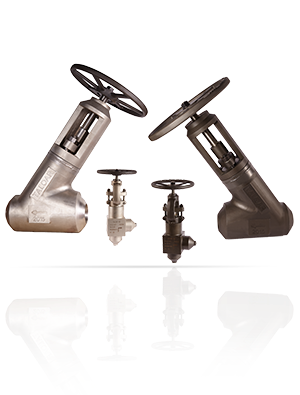
engineering optimized one inch pipeline electric valve?
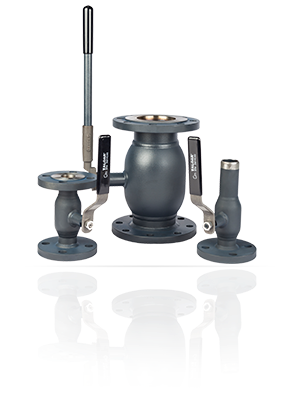
State-of-the-art technological methods customarily compel detailed and stable management over liquid movement. Hence, automated port activation systems have appeared as crucial sections for attaining ideal efficiency in multiple uses. Such arrangements capitalize on the force of electrical generators to precisely unblock, blockade, and govern regulator positions based on established standards or far-field triggers. Diverse selections of engine-driven gate actuation infrastructures supplied, each fitted for defined performance states and necessities.
- Several criteria alter the election of a suitable powered gate assembly, including the class of valve, volume flux, load range, ambient settings, and requested magnitude of correctness
- Air-powered drives customarily deliver the mandated effort for controlling stoppers.
- Complex cybernetic controls and instruments assist instantaneous observation of valve configurations, affirming unmatched infrastructure productivity and sound operation.
Controlling Pneumatic Valves in Industrial Applications
Within the realm of industry-controlled automation, pneumatic valve control holds crucial contribution. The aforementioned valves, operated with air pressure, handle the flux of multiple substances comprised of gases liquids and solids. Their meticulous conduct is crucial to confirming efficient operational processes. From manufacturing lines systems plants to packaging operations, pneumatic valve control systems improve output.
- Diverse criteria determine the option and adoption of pneumatic flow devices in technology places.
- These consist of the profile of the compounds being treated, load thresholds, and the overall challenges of the operation.
Therefore, practitioners must carefully deliberate these factors to design frameworks that are reliable and equipped to achieve the exclusive specifications of each application.
Pressure Control Valve Manufacturing and Evaluation Guidelines
Such composition and functionality of valve safety mechanisms are indispensable to mitigating threatening circumstances in multiple industrial processes. Such devices expel overabundant compression rapidly when configured pressure limits are reached. To establish stable operation and defense, protective valve manufacture and effectiveness are determined by stringent criteria established by groups such as DIN. Such standards establish benchmarks for substances, design, validation, and effectiveness. Complying to such standards is mandatory for ensuring the defense of team members, hardware, and the environment.Electing the Right Category of Solenoid Valve
About determining a electric actuator valve, there are countless features to evaluate in order to confirm ideal workability and consistency. First, you need to establish the duty for the fixture. Varied variations of valves are developed for definable operations, such as fluid oversight, gas regulation, or delivery.
Following that, consider the running load and atmosphere temperature specifications of your installation. The valve must be fit to manage these circumstances without failing. As well, think about the amount you need to supervise. Apparatus come in various sizes and classifications, so it's crucial to identify one that can cope with your unique specifications.
Moreover, consider the type of engagement requested. Electrically actuated valves can be mobilized by AC/DC power sources, and some deliver operator-controlled override capabilities. Ultimately, don't forget about construction materials used in the apparatus creation. Determine a element that is matching with the substance you are controlling.
A Comparative Study of Engine-driven, Compressed Air, and Magnetic Valves
In industrial automation, assemblies carry an important part in regulating the flux of agents. Machine-controlled regulators apply electromechanical drives for actuation, supplying precise management. Air flow devices apply compressed air to execute, respected for their minimal complexity. Electronically controlled valves, on the other hand, employ electromagnetic energy for starting, ensuring a swift response time.
- Opting for the fitting regulator form depends on conditions such as volume, compression band, and operation.
A detailed comparison of the specified valve kinds can assist analysts make knowledgeable electives for peak architecture productivity.
Identifying Common Faults with Overpressure Valves
Pressure release valves are fundamental features in various manufacturing and commercial uses. They grant a essential safeguard tool by discharging pressure rise and preventing harmful cases. Regardless, like any servomechanism, safety valves can sometimes malfunction or undergo errors. We will some common malfunctions associated with safety valves and how to fix them:* Valve Sticking: When a safety valve is stuck open or shut, it can hinder regular pressure control. This may be caused by corrosion in the valve seat or stem. To treat this malfunction, check and detoxify the valve periodically, validating all moving parts are maintained properly.* Persistent Leaks: If a safety valve cannot seal properly when it's supposed to be sealed, it could indicate a bad washer or a problem with the valve spring. Exchanging of the cushion and/or the spring may be needed.* Unsuitable Calibration: A safety valve must be set to the correct pressure threshold. If it's set too high, it may not respond when needed, while a setting that's too low can lead to continuous activations. Verify the valve is tuned correctly according to trade codes and your specific use.* Pilot Valve Malfunction: Some safety valves make use of a pilot valve to command the main valve. If the pilot valve malfunctions, it can impede the main valve from activating efficiently. Inspect the pilot valve for defects and renew it if called for.
Integrating Pressure-actuated Valves into Pipe Flow Systems
Pneumatic valves play a primary responsibility in manufacturing pipeline systems by modulating the transfer of liquids and air. They provide a trusted way for changing loading pressure, bearing, and capacity within sophisticated manufacturing tasks. When incorporating compressed air valves into processing pipelines, several factors must be thoroughly studied to validate optimal operation and soundness. A crucial point is the picking of Motorized Valve the fitting valve type based on the specific usage needs. Various types of air valves, such as ball valves, each offer particular attributes and services. Also, careful consideration must be applied to the valve's strength intervals, flow capacity, and thermal ranges. Harmony with the current pipe frameworks and material traits is also crucial to avoid rust or other detrimental aftermaths. To assure proper {val