Exploring adaptive system configurations Does best x86 SBC demonstrate enhanced thermal dissipation technologies over arm
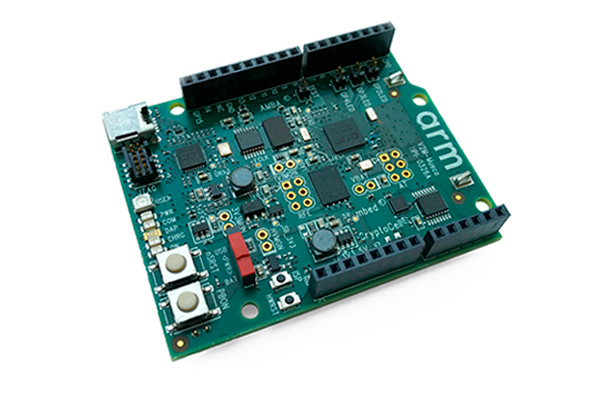
Over many years, the technology sphere has been shaped by two prominent schemas: the x86 and ARM schematics. Both platforms possess distinct advantages, leading to a strong conflict for industry influence. While the established x86 framework, has long held the crown in desktop and server markets, ARM's advancement has been momentous.
The efficiency edge of ARM, coupled with its malleability, has made it a top choice for wireless devices and embedded tools. However, ARM is now aiming to conquer new realms, including notebook computers and server farms. The aspiration has challenged the incumbent x86 leaders, who are retaliating via innovative methods to maintain dominance.
- Primary discrepancies in frameworks shape hardware behavior, power consumption, and overall system design.
- The emerging standards of purchasers are driving the demand for more efficient computing solutions.
Ultimately, the battle between ARM and x86 is a dynamic and ever-shifting landscape, with both platforms continuously evolving to meet the demands of a rapidly changing world. The outcome of this competition remains to be seen, but one thing is certain: the future of computing will be shaped by the innovations and advancements of these two titans.
Evaluating ARM and x86 Performance Differences
Amidst the persistently mutating tech scene, selecting the optimal processor architecture can be a tricky challenge. Two titans dominate the market: ARM and x86. Both offer compelling advantages, but their performance traits diverge significantly. This thorough analysis delves into the details of each architecture, empowering you to make an informed decision.
- Speed
- Draw
- Budget
We'll analyze evaluation scores, real-world situations, and the advantages of each architecture, helping you discover which platform best suits your requirements.
Reasons ARM Outperforms x86 in Embedded Markets
ARM microprocessors remain pivotal within the built-in device marketplace. This strength follows diverse vital contributors. First, ARM's configuration excels in energy conservation, making it ideal for devices with limited power budgets. Second, the ARM ecosystem provides a broad and energetic alliance of developers and hardware partners, providing ample support and progress. Finally, ARM's licensing model allows customization for customized objectives, leading to a wide range of alternatives. These factors have merged in securing ARM as dominant for countless embedded devices, from smartphones to smartwatches and even industrial automation.
Elite x86 SBC Selections for Advanced Users
Electing the finest x86 SBC demands analysis, especially when you're a advanced technician. You need a device that can withstand intensive tasks, offer powerful execution, and provide a platform for complex endeavors.
- Many elements influence the top SBC choice for you, including processing power, RAM capacity, storage options, connectivity features, and community support.
- For genuine experienced personnel, a board with a robust CPU akin to Intel i5 or AMD variant is essential.
- Complemented by large RAM and speedy storage necessity for smooth and efficient operation.
Dismiss SBCs lacking advanced capabilities; invest in a platform that can wholly back your experiments.
In-Depth Survey of x86 Single Board Technology
Studying inexpensive x86 single board systems provides great opportunities. These compact devices provide abundant opportunities for developers. From building automated residences to scripting platforms, x86 SBCs provide a scalable, reasonably priced infrastructure for invention. This guide will equip you to understand the expanding x86 SBC market, revealing advantages of these innovative gadgets.
- Explore the history of x86 SBCs and their impact on the technological landscape.
- Evaluate standard x86 SBC offerings by capacity and suitable markets.
- Fathom primary parts comprising x86 SBC configurations.
- Dive into the world of x86 SBC software, including operating systems and development tools.
- Unveil pioneering use cases for x86 single board devices in diverse sectors.
Expansion of ARM Architecture Within Desktop Segments
Despite typical association with smartphone mastery, ARM architecture is steadily making inroads within PC segments. Several factors contribute to this shift, including the increasing demand for energy-efficient computing and the growing popularity of cloud-based applications. Firms like Apple adopt ARM designs for notebook devices, demonstrating the potential for high output. This trend is further fueled by the development of new models specifically tailored for desktop workloads. As these innovations mature and become more widely available, we can expect to see ARM's presence expand substantially within forthcoming periods in the desktop market.
x86 vs ARM What Architecture Suits Your Needs
Selecting hardware, two key processing patterns dominate: x86 and ARM. Both offer distinct benefits, making the decision a matter of matching your needs with the right platform.
Enduring x86 system enjoys recognition for strong capabilities with a broad software base It manages in desktops, laptops, and workstations, particularly for demanding tasks like gaming or video processing. ARM, on the other hand, underscores energy efficiency and a compact design. This turns it ideal for mobile devices, embedded systems, and increasingly, servers.
- Ponder your leading working context: Are you a content creator? Do you need raw power or economical energy consumption?
- Explore application support on both platforms. Not all applications are available on both platforms.
- Measure cost-effectiveness and device presence per architectural match.
Compact yet Strong Foremost ARM Computation Platforms
Single board hardware has expanded widely, led by ARM cores for multi-use and efficiency. These compact instruments pack a surprising punch, offering incredible capabilities within a small footprint. For hobbyists, makers, and even professionals, ARM-based SBCs provide a flexible platform for everything from learning about electronics to building fully functional constructs. Whether you're looking for a budget-friendly option or a high-performance powerhouse, there's an ARM-based SBC out there to meet your needs.
- Let's explore some of the top contenders in this exciting market!
Benchmarking ARM vs x86 Efficiency Scores
Profiling ARM alongside experienced x86 in benchmarks displays thought-provoking insights. While x86 has traditionally excelled at sheer throughput, particularly for heavy workloads, ARM architectures progressively align aims, especially in areas like mobile performance and energy efficiency. The recent surge in popularity of ARM-based silicon used on mobile and desktop hardware further fuels this clash. It's important to note that benchmark results can be controlled from assorted sources, including the specific variant trialed, application burden, plus the OS environment. Therefore, it's crucial to consider statistics with insight beyond figures.
Are we seeing ARM Substitute x86 as Main Architecture
The silicon world undergoes ongoing transformation, and one of the most noteworthy changes feature ARM's increased footprint. While x86 has long ruled the market, ARM's performance attracts significant attention. This has led to speculation that ARM probably surpass x86 as the primary architecture.
- Various grounds underlie this change: ARM's power-saving architecture fits mobile instruments, thin laptops, and large data centers.
- What is more, ARM's adaptable IP framework cultivates creativity within alliances, yielding assorted varieties of ARM-derived units.
Nevertheless acknowledging that x86 maintains significant standing is essential. Major manufacturers continue to invest heavily in x86 development, and established constructs hold relevance for extended periods.
Finally, it is too early to say if ARM will solely dominate x86. The technological landscape probably evolves through combined use of both systems, with each functioning uniquely in diverse industry branches.
Exploring the Convergence of ARM and x86 in Computing
The IT domain advances swiftly. Once distinct architectures, ARM and x86 are now on a collision course, converging to reshape the future of processing power. This convergence promises groundbreaking advancements for developers and consumers alike. ARM's energy efficiency and compact design have made it the dominant force in mobile devices, while x86 has long reigned supreme in desktops and servers. However, an amalgamation is underway, driven by factors such as the increasing demand for mobile computing and the rise of cloud services.
- This coalescence tends to spawn expanded gadget varieties, powered by hybrid architectures that harness capabilities from both structures. This could result in enhanced portable electronics sustaining battery life with energy-wise servers.
- Moreover developers will have access to a wider range of platforms and tools, enabling them to create innovative applications that expand technological limits. The future of computing offers significant hope, with ARM and x86 convergence playing a pivotal role in shaping the next generation of technology.