impact maximizing mixed material reactive ion etching projects?
Central Ideas within ionized etching within electronic manufacturing. This technique exploits excited plasma to deliberately etch away base components for controlled design during micro-device manufacturing. By refining critical parameters like plasma constituents, energy input, and atmospheric pressure, the reaction tempo, material differentiation, and directionality can be finely tailored. Charged plasma treatment has reshaped microsystem construction, sensors, and high-tech electronic apparatus.
- Besides, plasma etching is regularly implemented for fields such as optics, medical fields, and materials engineering.
- Multiple kinds of plasma etching are known, including plasma ion reaction etching and ICP-based etching, each with specialized pros and challenges.
The detailed characteristics of plasma etching involve a detailed grasp of the core natural laws and chemical properties. This discussion seeks to offer a broad account of plasma etching, incorporating its fundamental ideas, different versions, implementations, merits, limitations, and future directions.
Microfabrication Excellence with Riechert Etchers
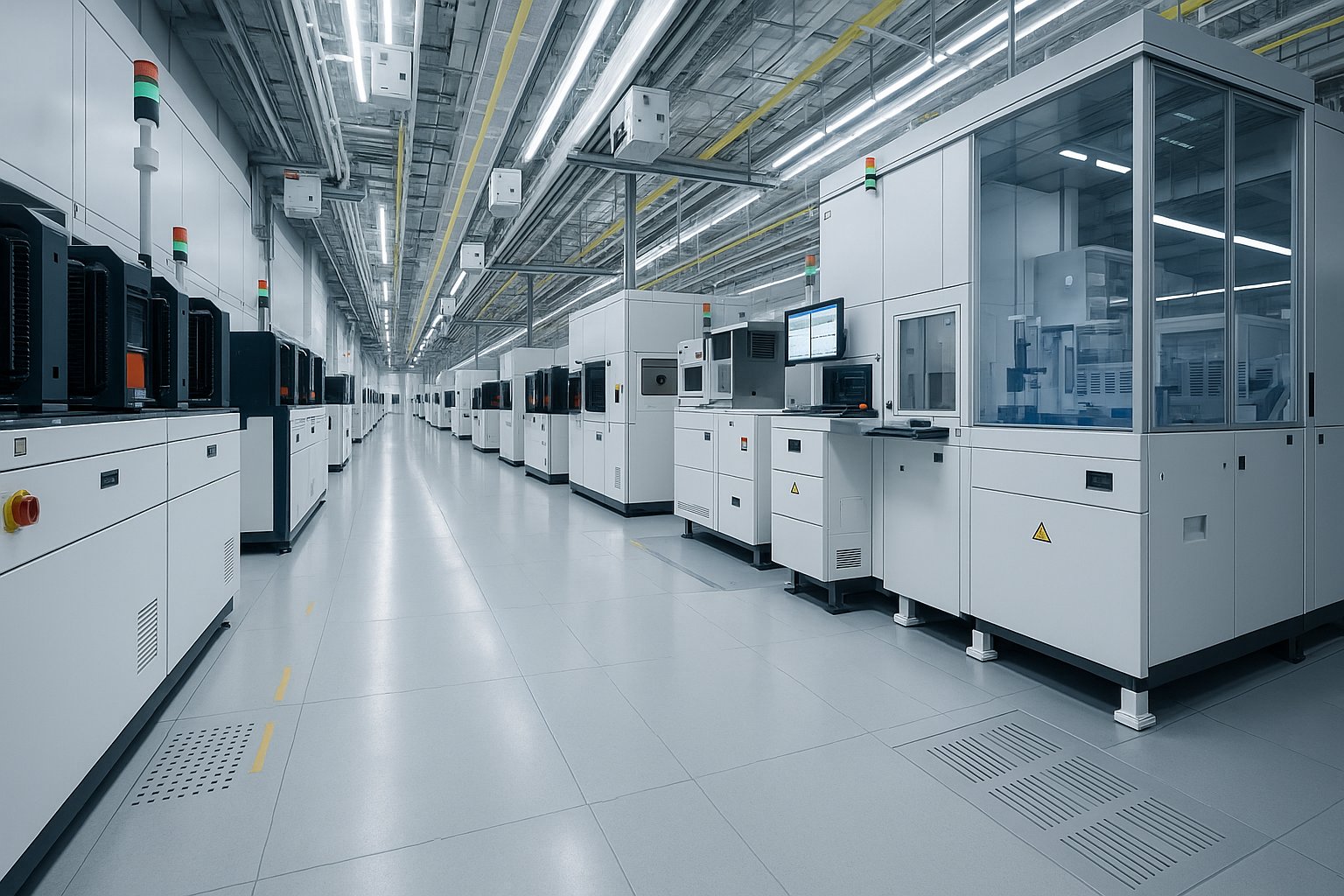
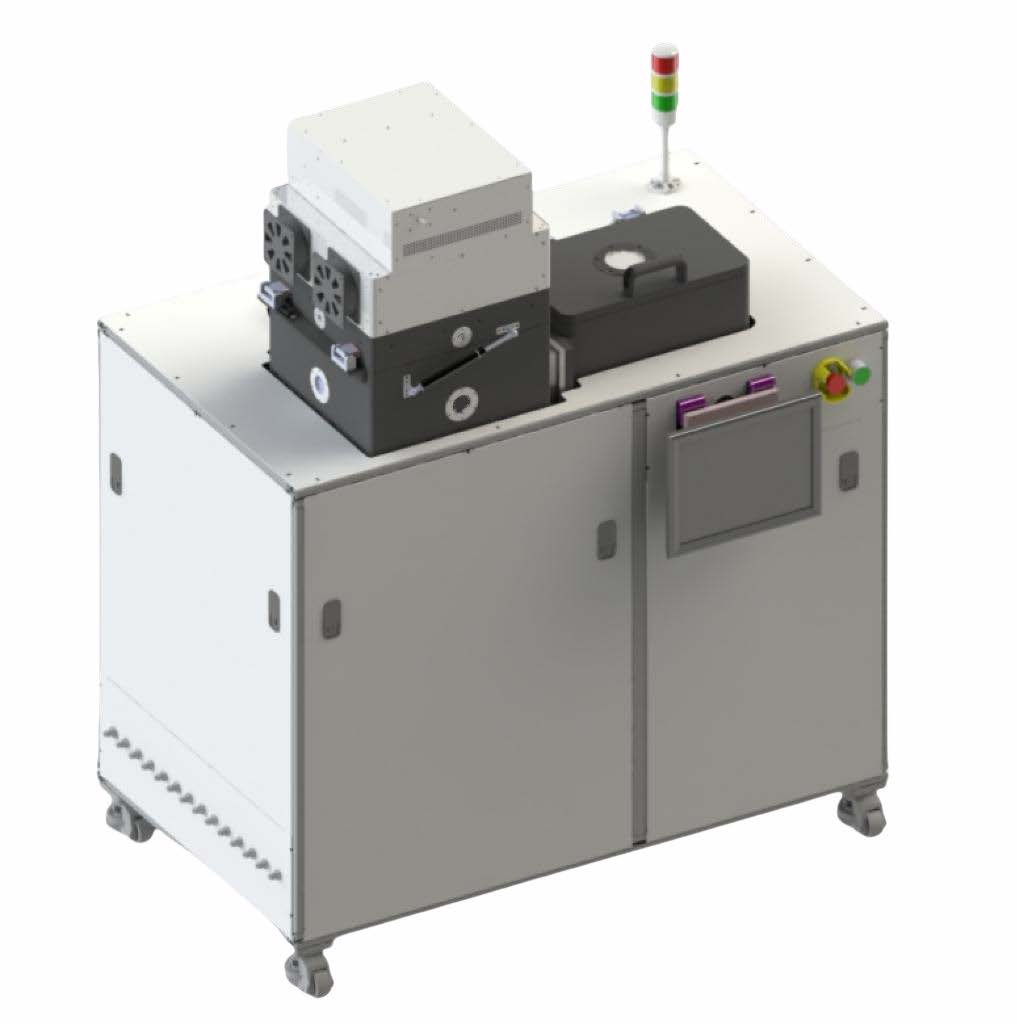
Pertaining to precision engineering, Riechert etchers distinguish themselves as a foremost tool. These innovative devices are acclaimed for their remarkable fineness, enabling the manufacturing of detailed structures at the micron-scale size. By employing high-tech etching methods, Riechert etchers maintain flawless management of the manufacturing sequence, constructing excellent outcomes.
Applications of Riechert etchers cover a varied assortment of fields, such as circuitry. From fabricating microchips to designing innovative medical gadgets, these etchers are indispensable in molding the outlook of technical advances . With focus to quality, Riechert dictates measures for exact microfabrication.
Foundations and Roles of RIE
Reactive plasma ion etching remains a fundamental approach in device fabrication. RIE employs a integration of ions and reactive gases to excise materials with high accuracy. This function encompasses bombarding the underlayer with charged energetic species, which combine with the material to manufacture volatile chemical products that are then taken away via a evacuation apparatus.
RIE’s capacity for differential etching makes it highly effective for producing detailed structures in chipsets. Applications of RIE cover the development of semiconductor valves, integrated circuits, and light devices. The technique can also generate submicron holes and vias for compact memory devices.
- Reactive ion processes enable stringent supervision over etch rates and substance differentiation, enabling the creation of sophisticated components at high resolution.
- A broad range of reactive gases can be employed in RIE depending on the base material and essential etch profiles.
- The profile-controlled quality of RIE etching makes possible the creation of sharp contours, which is critical for certain device architectures.
Refining Selectivity in ICP Etching
Inductively coupled plasma (ICP) etching has been introduced as a principal technique for developing microelectronic devices, due to its high-level capacity to achieve intense directional removal and process specificity. The meticulous regulation of operational factors, including energy intensity, plasma gas composition, and gas pressure, makes possible the detailed optimization of removal rates and profile shapes. This responsiveness grants the creation of fine features with minimal harm to nearby substances. By regulating these factors, ICP etching can safely reduce undercutting, a common complication in anisotropic etching methods.
Investigation into Plasma Etching Techniques
Advanced plasma removal techniques are universally deployed in the semiconductor realm for producing complex patterns on workpieces. This exploration evaluates different plasma etching protocols, including chemical vapor deposition (CVD), to assess their potency for several compounds and purposes. The summary highlights critical aspects like etch rate, selectivity, and topography quality to provide a thorough understanding of the positives and constraints of each method.
Tuning Plasma Features for Maximum Etching Output
Reaching optimal etching levels in plasma processes entails careful variable adjustment. Elements such as energy level, composition blending, and force application greatly affect the pattern forming speed. By methodically modifying these settings, it becomes realistic to enhance result robustness.
Understanding Chemical Mechanisms in RIE
Energetic ion chemical etching is a primary process in microscale engineering, which concerns the exploitation of charged ions to selectively etch materials. The essential principle behind RIE is the reaction between these energized particles and the target material top. This encounter triggers reactive transformations that separate and dislodge fragments from the material, yielding a required structure. Typically, the process incorporates a fusion of plasma gases, such as chlorine or fluorine, which turn into plasma ions within the etching chamber. These activated ions collide with the material surface, activating the dissolution reactions.Potency of RIE is controlled by various conditions, including the class of material being etched, the selection of gas chemistries, and the working parameters of the etching apparatus. Accurate control over these elements is crucial for securing superior etch patterns and reducing damage to neighboring structures.
ICP Etcher Profile Management
Securing exact and consistent patterns is fundamental for the success of numerous microfabrication methods. In inductively coupled plasma (ICP) method systems, governance of the etch outline is fundamental in determining extents and contours of elements being fabricated. Vital parameters that can be controlled to govern the etch profile entail flowing gases, plasma power, workpiece warmth, and the design of the electrode. By methodically varying these, etchers can generate patterns that range from isotropic to aligned, dictated by targeted application demands.
For instance, highly directional etching is customarily looked for to create profound cavities or vias with distinct sidewalls. This is realized by utilizing high halide gas concentrations within plasma and sustaining decreased substrate temperatures. Conversely, isotropic etching forms softly contoured profiles owing to its three-dimensional character. This kind can be beneficial for large-area removal or surface defect correction.
Furthermore, innovative etch profile techniques such as plasma pulsing enable the generation of remarkably controlled and high-aspect-ratio features. These ways commonly include alternating between reactive phases, using a fusion of gases and plasma conditions to produce the intended profile.
Discerning key influences that regulate etch profile regulation in ICP etchers is indispensable for improving microfabrication strategies and achieving the aimed-for device effectiveness.
Charged Particle Etching in Electronics
Plasma etching is a essential strategy employed in semiconductor assembly to surgically cleanse substances from a wafer interface. This operation implements energized plasma, a concoction of ionized gas particles, to strip designated zones of the wafer based on their elemental makeup. Plasma etching ensures several advantages over other etching techniques, including high etch precision, which permits creating fine trenches and vias with controlled sidewall erosion. This clarity is critical for fabricating advanced semiconductor devices with stacked constructions.
Operations of plasma etching in semiconductor manufacturing are diverse. It is applied to construct transistors, capacitors, resistors, and other primary components that create the platform of integrated circuits. Additionally, plasma etching plays a vital role in lithography methods, where it supports the careful configuration of semiconductor material to mark circuit maps. The accurate level of control made available by plasma etching makes it an indispensable tool for modern semiconductor fabrication.
State-of-the-Art Etching Progress
Plasma etching technology undergoes continuous evolution, driven by plasma etching the rising need of advanced {accuracy|precision|performance