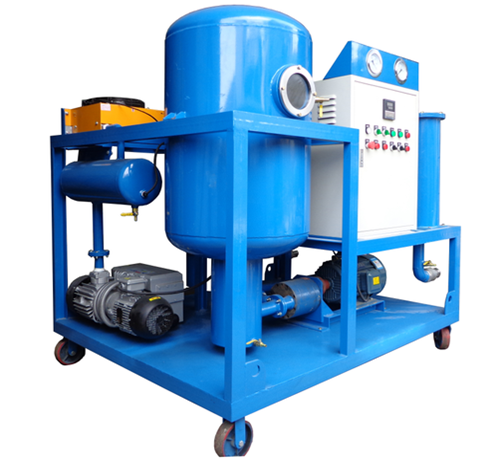
process optimized membership style fluid programs?
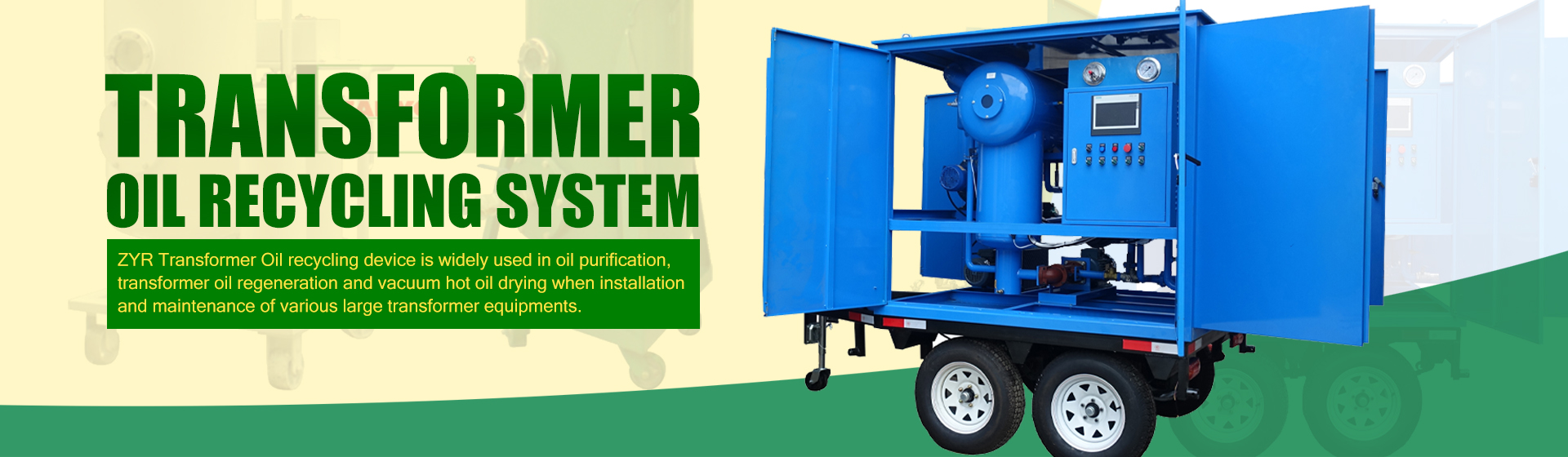
Opening
That hydrocarbon conditioning about power transformers acts as indispensable for such capability. With the passage of time, voltage transformer mineral oil collects foreign particles specifically degradation elements, fragments, and aqueous content. Those elements can impair the oil's insulation strength and temperature-based properties, ultimately jeopardizing unit consistency and duration. To handle this obstacle, progressive decontamination systems are increasingly being employed.
The techniques often involve a fusion of technical methods, covering purification, adherence, and corrosion. Expert separation devices can successfully eliminate solid particles from the oil, while activated carbon are utilized to capture dissolved impurities.
- Notably, oxidation procedures can be adopted to break down intricate impurities, thereby upgrading the oil's characteristics.
This innovations in voltage oil purification processes provide to optimized transformer productivity, soundness, and life expectancy, eventually minimizing downtime and related costs.
Optimizing Hydraulic Fluid with Accurate Filtering Solutions
Within the challenging realm of business functions, ensuring superior fluid condition is indispensable for elevating system endurance and complete efficiency. Precision filtration systems are indispensable in this process by powerfully extracting adulterants that can degrade oil integrity over time. Such high-grade refinement techniques deploy a combination of manual filtration media and accurate engineering to catch a broad spectrum of unwanted matter from the oil stream. The consequence is enhanced more trustworthy oil that can optimally lubricate hardware units, reducing friction , abrasion, and tear. By adopting precision filtration systems, industries can notably enhance the durability of devices, lessen maintenance costs, and achieve improved operational efficiency.
Superior Oil Purifiers: Securing Optimal Performance
Throughout the evolving manufacturing scene, functional effectiveness is critical. Maintaining equipment capacity and useful life hinges on several components, with oil purity appearing as a critical aspect. Production filtering mechanisms are integral in securing hydraulic quality by expunging contaminants that can produce initial defects, malfunction, and big-time halts. The specialized machines utilize advanced filtration technologies to trap a extensive variety of impurities, consisting of sediments, humidity, and acids. By persistently refining the oil, industrial oil purifiers increase service duration, strengthen oil capability, and contribute to a more reliable and more consistent work environment. Systematically inspection of these systems is mandatory to guarantee their effectiveness. This entails assessing the filtration process, renewing elements as needed, and respecting provider recommendations for optimal performance. By investing in elite industrial oil purifiers and adopting a robust maintenance schedule, companies can secure meaningful money saving. Ultimately, these systems open avenues for efficient actions, lowered pauses, and increased profitability.Guarding Equipment by Quality Filtration
Lubricant cleaning is a key aspect in the maintenance of any motor or machinery. With continued use, mechanical oils becomes soiled with waste, which can restrict performance and sooner or later lead to disruption. Adopting effective oil filtration methods can significantly extend the life of your systems and secure optimal operation. Periodically replacing your servo oils and adopting a first-class filter are vital measures. A effective oil filter can expertly isolate debris, keeping your unit performing optimally.
Reconditioning Oil for Long-Lasting Equipment
Guaranteeing the effectiveness of your energy converters is essential for a reliable and money-saving power distribution. As time progresses, transformer oil naturally lessens due to warmth, oxidation, and mechanical stress. This erosion can bring about increased operational costs, reduced efficiency, and potential damage to the hardware. Transformer oil regeneration offers a sustainable and inexpensive solution to extend the service life of your transformers by rejuvenating their initial properties and performance.
The technique involves purifying the used oil through a series of high-tech techniques, such as filtration, dehydration, and oxidation inhibition. This powerfully clears pollutants, reinstates dielectric strength, and increases thermal stability. By reintroducing regenerated oil into your transformers, you can significantly curtail maintenance requirements, improve overall trustworthiness, and ultimately heighten the service life of your valuable assets.
Essentials of Lubricant Cleaning in Industry
Fluid cleaning is a necessary system in industrial applications. Hydraulic fluids are affected by contaminants such as impurities, water, and corrosive residues. These impurities can markedly damage the productivity of lubricants, leading to increased friction, wear, and system breakdown. Effective oil purification methods involve multifaceted systems to cleanse the dirt. These methods can consist of mechanical screening that physically trap impurities, chemical treatments that neutralize or inactivate corrosive materials, and thermal processing that evaporates/removes volatile contaminants/separates impurities. The selection of the best-suited technique depends on the targeted setting and the type of contaminants present. Regular oil purification not only increases life expectancy of lubricating oils but also lessens repair overheads. Moreover, it promotes workplace safety by preventing equipment failures and curbing toxic discharge.
Overseeing Oil Quality: Full Report
Supervising oil purity is fundamental for sustaining operational efficiency and environmental adherence. This broad summary delves into the features of oil contamination, demonstrating its causes, consequences, and effective abatement strategies. Examined will be general best practices, measurement devices, and regulatory laws to help you limit oil contamination risks.
- Grasp the core factors of oil contamination in various settings.
- Expose the negative consequences of oil contamination on equipment, infrastructure, and the environment.
- Adopt proven strategies to prevent and address oil spills and leaks.
- Keep up-to-date of industry regulations and best practices for oil contamination management.
Enhancing Hydraulic Efficiency via Refinement
Sustaining peak efficiency of hydraulic equipment requires meticulous attention to detail, particularly when it comes to the quality of the hydraulic fluid. Fluid contamination can lead to a cascade of detrimental effects, including reduced efficiency, increased wear and tear on components, and even catastrophic system failures. Carrying out a robust treatment process is indispensable for mitigating these risks and ensuring the longevity and reliability of hydraulic systems.
Through regular filtration and cleaning processes, it's possible to remove harmful particles, water, and other contaminants that can compromise fluid performance. By employing high-quality filters with appropriate micron ratings and utilizing specialized purification equipment, operators can effectively maintain the integrity of the hydraulic fluid and extend the operational lifespan of critical components. This proactive approach not only minimizes downtime and repair costs but also enhances the overall safety and efficiency of hydraulic systems.
Thorough Purification of Transformer Oil: An In-Depth Guide
Frequent conditioning of transformer oil is critical for the sustained performance and lifespan of your transformers. In continual use, oil can become contaminated with particles, affecting its ability to effectively cool and separate the transformer components. Deep cleaning transformer oil involves a multi-step process to clear these contaminants, returning the oil's properties to optimal levels.
- Initially carefully draining the existing oil from the transformer tank. This requires proper shielding steps and adherence to designer's guidelines.
- Thereafter, the transformer tank needs to thoroughly sanitized with a suitable solvent. This stage helps clean any persisting oil and contaminants from the tank's surfaces.
- Subsequent to the tank is , thoroughly cleansed, the cleansed oil can be replenished back into the transformer. The amount of oil added is supposed to match the designer's specifications.
- Lastly, it is required to check the transformer's oil level and property regularly. This will allow you to uncover any potential concerns early on, allowing for instant action.
Picking the Correct Oil Purifier for Your Needs
Regarding opting for the ideal oil purifier for your demands, it's indispensable to consider a selection of factors. First, measure the size of your oil system and decide on a purifier that can properly handle it. Next, evaluate the type of oil you're managing. Different purifiers are designed to filter out specific adulterants. Finally, take into account your budget and examine different brands and models that suit with your requirements.
- What's more, observe to characteristics like filtration efficiency, noise level, and ease of maintenance.
Practical Gains from Transformer Oil Treatment
Steady cleansing of transformer oil offers a multitude of practical benefits that increase the capability of electrical equipment. At the outset, purified oil reduces wear and tear to essential components, extending their useful life. This minimizes servicing costs. Furthermore, cleaner oil augments heat transfer capabilities, leading to more efficient cooling and preventing temperature fluctuations.
By clearing foreign substances, transformer oil purification secures smooth operation and curtails the risk of failures. This ultimately Lube oil purifier {contributes to|leads to