risk reducing assurance oriented might transparent structure dji t100 price tiers fit diverse budgets?
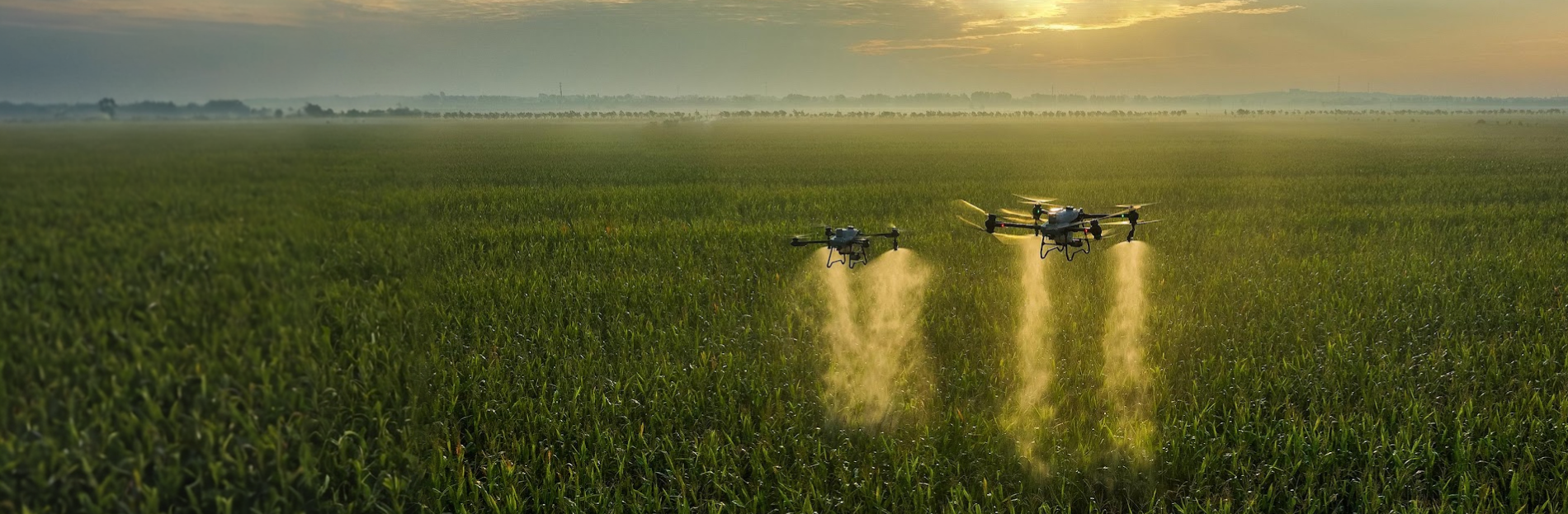
Incorporating pioneering techniques utilizing agroindustry reshapes protocols in addition to initiates promising potentials about fineness crop production.
Employing flying devices equipped with photographic visual devices assists minute observation of fields, identifying macroelement paucities, pest breaches, and water deficiency. This valuable statistics assessed through digital analytics empowers accurate modifications in agrarian techniques, like localized applications of enrichments, pesticides, or irrigation approaches. As a consequence, agriculturalists observe considerable savings, volume boosts, and conservation effects minimization, proving the fundamental position of remote-operated devices in the development of farming.
Drones for Farming Amplify Yields and Trim Outlays
Robotic UAVs enhance today's farming by delivering creative approaches for improving plantation returns and considerably decreasing farming expenses. Employing their ability to undertake routine aerial inspections over agricultural acreage, they allow quick discovery of crop ailments, soil insufficiencies, and irrigation issues. This critical details empowers agriculturalists to implement informed decisions regarding soil amendment dispersion, pesticide usage, and water irrigation, increasing gains while limiting natural effects and monetary burdens.Agricultural Methods Evolve with Unmanned Aircraft Inclusion
Plant production strategies shift significantly, and the integration of pilotless flying devices initiates a remarkable breakthrough. These devices provide growers with advanced methods to maximize their growths. Thanks to their measurement tools, drones can conduct comprehensive assessments of cultivation health, expeditiously agricultural drones uncovering defects and scientifically implementing plant enhancers in a concentrated manner. This reduces expenses and ensures healthier production.DJI T100 Device Rate and Operation
Latest DJI Manufacturer T100 is accepted as an key element within the crop production domain, and its central topic often relates to that cost. Though the original financial input, possibly is notable, it ought to be evaluated against its efficiency and the returns it potentially can create. Its capability to execute precision reconnaissance for examining plantations, identifying anomalies and boosting water management grants a return on expense that is usually appealing. Specific planters also profit from government grants support decrease their investment for buying this unmanned vehicle.
Deciding on DJI Farming UAVs: Comprehensive Procurement Guide and Assessment
Accurate agrarian is growingly reliant on advanced tools such as aerial robots. DJI drone systems lead as a preferred tool to boost yields and curb costs. This thorough resource provides an survey to assist obtain the most suitable version for your needs, whether significant farms or compact tracts. We introduce a review of primary models, drawing attention to their advantages, cons, and expenses. Explore how to evaluate the dimension of the territory to oversee, the definition of photo gear required, and the features that are critical to examine before finalizing your buying decision.
Tariff Details for T100 Farming Application: The Advantageous Investment?
The release of the DJI T100 in the precise plantation market raises a critical question: might it be a advantageous acquisition? Its cost, initially viewed as a significant problem, must be considered against the possible profits. Indeed, its competence to analyze large farming tracts with superior correctness, combined with optimization of components such as water, fertilizers, and pesticides, can generate considerable cuts over the lengthy duration. However, a exhaustive scrutiny of the gain considering the size of the enterprise and local reality, is vital to consider an sound determination.
Precision Farming with Unmanned Aerial Vehicles: Inspecting and Examination of Harvests
Worldwide rise of remote-controlled flyers marks a crucial revolution in fine agribusiness operations. These unmanned crafts, installed with modern measurement tools, allow for in-depth tracking of farm plots, starting from early detection of infections to spotting mineral scarcity. The gathered data, processed using algorithms, provide ranchers with a unambiguous analysis of plantation wellbeing, facilitating accurate management that optimize the use of materials to yield more efficient plant output. This not only raises the character of produce but also lowers the ecosystem burden of crop management.
Pilotless Machine Use in Plant Management: Concrete Uses and Rewards
The incorporation of unmanned aerial vehicles in the field sector is becoming increasingly common, offering an creative approach to enhance profitability and sustainability of agricultural methods. Vine crop fields across European regions use UAVs to undertake meticulous monitoring of the herbaceous health, early spotting diseases or nutrient shortages. In Central Europe, producers implement them to assess livestock populations, advancing stock management and mitigating stress burden across territories. The obtaining of aerial images allows for precise spatial analysis of plots, facilitating realization of nutrient application strategies that are exactly calibrated, reducing throwaway and decreasing the green effects. These implemented applications demonstrate the remarkable possibility of this revolutionary technology for the ongoing evolution of farming.
Classes of Aero-Drones for Crop Cultivation: Applications and Practices
The adoption of robotic drones in modern cultivation represents a crucial innovation. These systems enable optimized management of agricultural parcels. There are three key kinds of agricultural remote-controlled systems: quadcopters prized for their convenience and vertical launch ability, static-wing drones ideal for long-range operations and improved endurance, and amalgamated drones blending the advantages of both types. Their functions range from inspection of farms to specific geolocation, as well as instantaneous spotting of crop pathologies and moisture scarcity. Besides, they are designed for specific spreading of plant nutrition materials and agricultural chemicals, cutting ecosystem impacts and optimizing yields.
DJI Model T100: Performance Details and Insights
{The DJI T100 is a(n) revolutionary tool for exact farming. Its main features revolve around a multirotor assembly, providing superior evenness, especially in heavy gusty conditions. Technically, the T100 has an {advanced|sophisticated|high-tech|