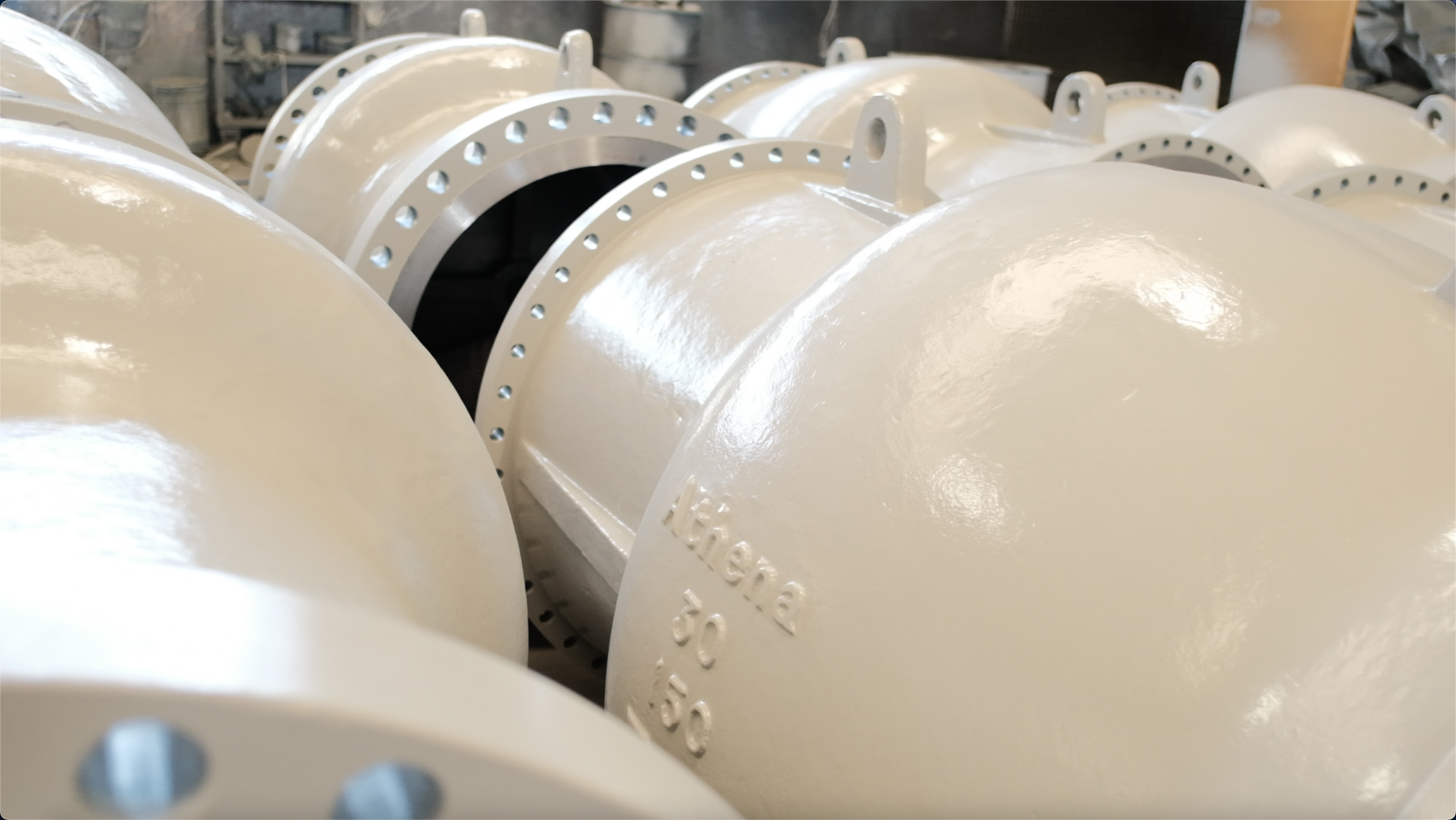
sales boosting process plant plug valve packages?
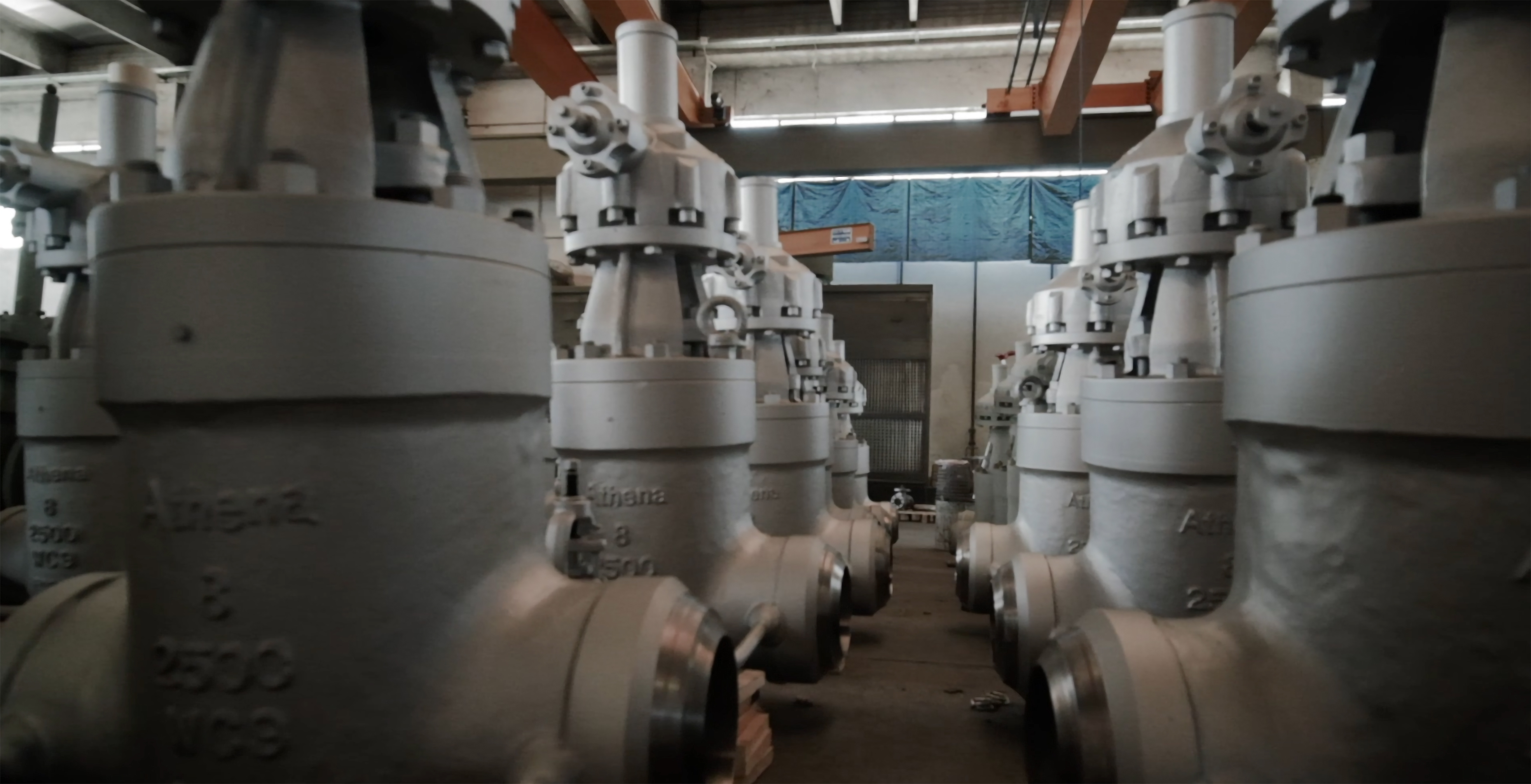
Launching the following in-depth description with respect to fluid regulators.
A straight-through gating instrument intended to fully permit substance movement via a movable plate enclosed within the housing.
Reputed for their rugged simplicity and capability in enduring elevated system loads, gate valves serve critical functions. Regularly deployed in assorted sectors such as irrigation networks designed for complete fluid isolation. Because of their binary operation, these valves are seldom appropriate for precise modulation.Control Valve Dynamics and Attributes
Defined by a disk-shaped element, globe valves manage liquid flow in plumbing arrangements. Preferring total closure or opening, the device controls fluid conveyance effectively. Valued for their pinnacle performance in flow tuning, these devices are ideal for stringent volume control needs.
Lower flow efficiency marked by pressure falls due to passage limitations comprise weaknesses. Their sophisticated configuration often entails augmented expenditure. Even with these concerns, globe valves are selected frequently for meticulous flow demands.
Backflow Blocking Devices
Fundamental devices ensuring one-way flow and obstructing return fluid motion. Designed to allow fluid progress forward and instant closure during reverse flow attempts. Avoidance of backflow safeguards system performance and shields delicate machinery from harm.
In addition, these valves are employed in residential, commercial, and transport fluid control setups. Their adaptability ensures they are essential components in current pipeline solutions.
Benefits and Construction of Ball Valves
Acknowledged for robust design, ball valves have become top choices in extensive commercial applications. Featuring a revolvable orb with through-hole, enabling regulation over liquid movement. The design ensures dependable function, fitting for diverse industrial needs.
- {Advantages include: ease of operation, tight shutoff, and versatility for various temperatures.|Key benefits involve user-friendly operation, excellent sealing, and adaptability to temperature extremes.|Features provided are simple handling, reliable closure, and suitability for diverse thermal ranges.|Benefits encompass straightforward control, dependable shutoff, and application flexibility over conditions.|Positive traits comprise effortless use, secure sealing, and compatibility with multiple heating limits.|Valued characteristics cover uncomplicated operation, superior closure, and broad temperature endurance.|Notable perks feature convenient handling, tight sealing, and robustness across temperature spans.|Significant advantages include easy management, leak-proof closure, and adaptability for temperature variance.|
Deciding Among Gate, Globe, Check, and Ball Valve Options
When it comes to controlling fluid flow in industrial and residential applications, valves are essential components. Valve categories such as gate, globe, check, and ball come with individual functional traits. Distinct for toughness and simple operation, gate valves guarantee full flow termination. On the flip side, globe valves enable exact flow management because of spherical shapes. Check valves maintain one-way flow avoiding reflux with ball valves facilitating seamless use. The ideal selection corresponds to defined functional criteria and situational aspects.
- Check valves
- Ball valves are ideal for frequent cycling.|Ball valve designs suit repetitive use cycles well.|Ball valves accommodate high-frequency operation efficiently.|Chosen ball valves excel in frequent on-off cycles.|Ball valves perform reliably under repeated toggling.|These ball valves tolerate continuous operation cycles.|Ball valves adapt favorably to consistent cycling demands.|Preferred ball valves endure regular operational toggling.|
- Examine permissible pressure levels with temperature criteria in valve choices.
Selecting the Right Valve for Your Application
Valve selection requires evaluating various elements specific to application needs. Primarily, determining the nature of the medium passing through is essential. These insights narrow valve alternatives effectively. Following that, understanding pressure ratings critical to your scenario is vital. Valves come in a wide range of sizes and configurations, so it's important to choose one that is compatible with your existing piping.
- Beyond that, you should pay attention to the material of the valve.|Further to this, valve substance characteristics must be examined.|Additionally, focus should be given to construction materials used.|It is also essential to evaluate valve composition elements.|Moreover, valve material suitability requires careful consideration.|Besides, reviewing material properties impacts valve selection.|Likewise, appraisal of constituent substances is fundamental.|Notably, attention to valve fabric materials is indispensable.|
- {Different materials have differing properties that make them suitable for various applications.|Material diversity leads to distinct features facilitating application-specific uses.|Compositional variation influences performance traits aligned with selected operations.|Distinct substance attributes determine the appropriateness for different tasks.|Variations in material quality affect functional compatibility across scenarios.|Material differences contribute unique characteristics tailored for applications.|Divergent construction elements bring specialized features fitting varied uses.|Various material traits enhance performance in specified application contexts.|
- Advice from specialists contributes to selecting correct valve options.
Sizing Considerations for Optimal Valve Performance
Choosing proper valve sizing governs the system's effectiveness. Parameters like flow magnitude, pressure variation, and temperature contribute to sizing. Component design factors and flow performance numbers prove crucial to selection. Thorough inspection permits selection favoring higher efficiency and reduced consumption loads.
Addressing Typical Valve Malfunctions
Prompt root cause determination is vital amid valve malfunctions. Ordinary malfunctions include fluid loss, blockage, and control defects. Monitoring for impairment, attachment slack, and abnormal wear supports troubleshooting.
- Regularly inspect/Periodically check/Frequently examine/Consistently review/Routinely assess/Systematically monitor/Scheduled audit/Constantly verify your valves for any signs of damage.|Securely fasten/Ensure proper tighten/Confirm stability/Verify firmness/Check snugness/Validate connection strength/Authenticate joint tightness/Ascertain fitting security that all connections are tightened.|Maintain cleanliness/Keep free of debris/Remove contaminants/Preserve tidiness/Clean thoroughly/Prevent accumulation/Manage cleanliness/Retain debris-free status around valve areas.
Scheduled Servicing and Auditing of Process Valves
Operational valves maintain vital tasks supporting safe and functional gas and liquid transfer. To maintain their peak performance, regular inspection and maintenance are essential. Full appraisals attend to detecting oxidative damage, deterioration, or structural issues. Oiling components lowers wear and lengthens operational longevity. Conforming to provider standards enforces maintenance accuracy. Keeping a detailed maintenance log can track inspections, repairs, and component replacements, facilitating proactive maintenance.
Mechanical Valve Actuators and Process Automation
Actuator devices serve vital functions within multiple manufacturing operations. Control apparatuses oversee the distribution of liquids, gases, or compounds through plants. Industrial automation employs valve controllers to improve exactness and throughput. Control loops incorporate sensors guiding actuators in real-time valve position tuning. Various types of valve actuators exist, including pneumatic, hydraulic, electric, and solenoid. Tailored actuator technologies address requirements involving strength, environmental suitability, and precise command.
Hydraulic and Pneumatic Valve Functionality Differences
Both hydraulic and pneumatic valve systems are essential for controlling fluid flow in industrial applications. Yet, intrinsic operational distinctions separate the two systems. Hydraulic-powered valves perform well in situations necessitating elevated force. Lower cost and simple mechanics favor pneumatic valve selections.
In closing this all-inclusive examination of fluid regulation devices and their functions, the facts demonstrate that successful valve use relies on matching device attributes to operational demands. Effective understanding and application of valve technologies is essential swing check valve for modern industrial success. Hence finishes our detailed examination of valve types and applications.