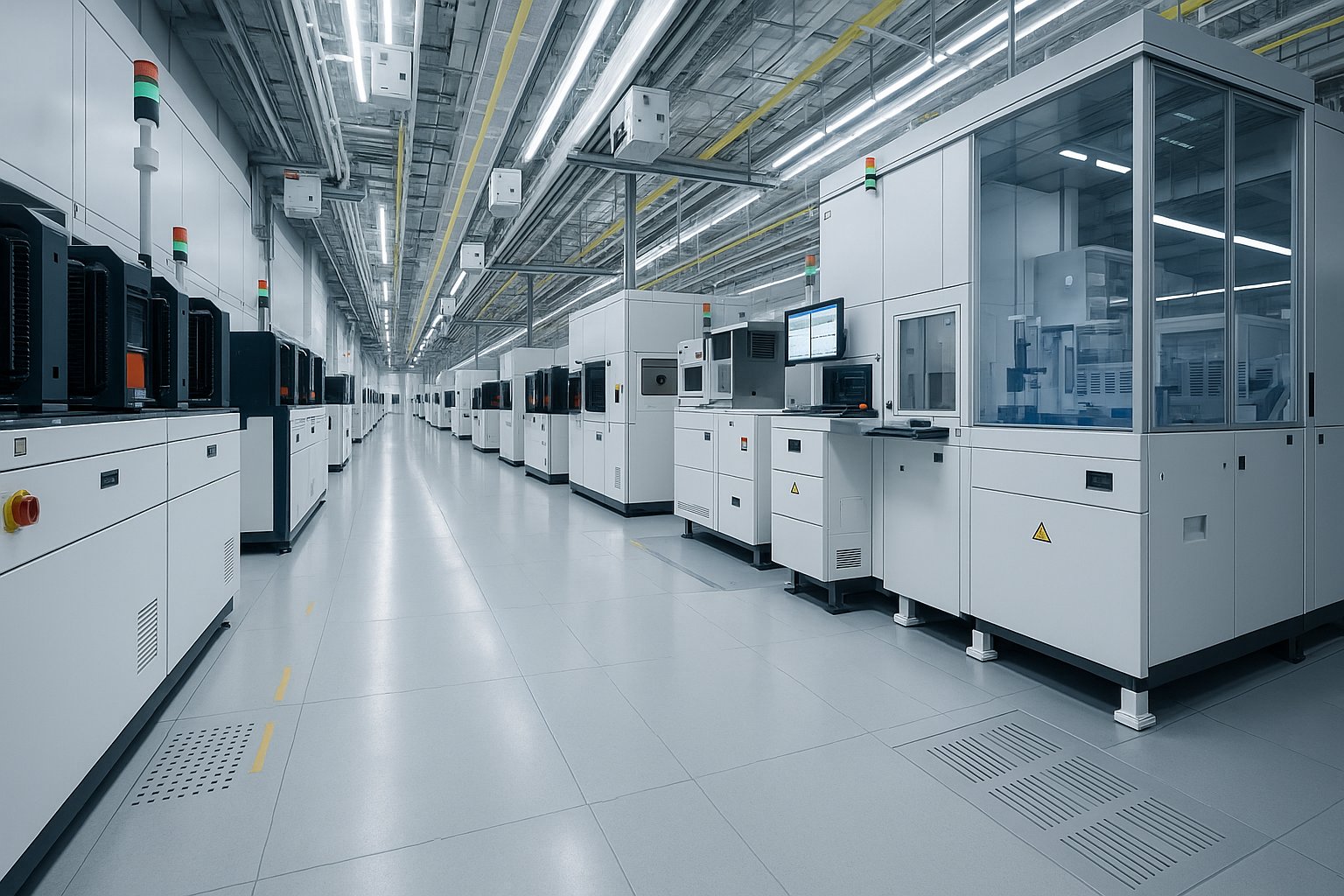
sales optimized integrated icp rie etching lines?
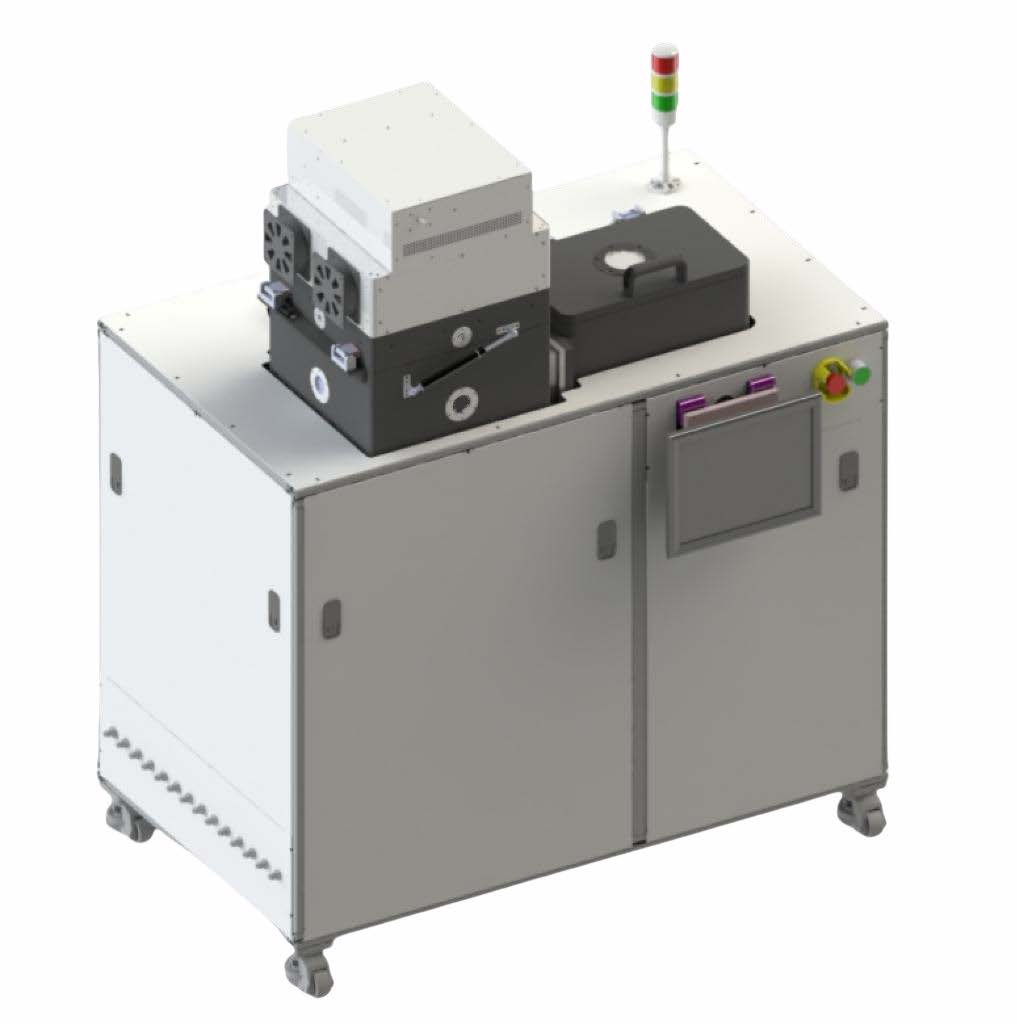
Basic Principles for ionized etching through microelectronic manufacturing. This process exploits activated ions to accurately strip layered elements for controlled design during small-scale fabrication. By shaping important specifications like gas blends, energy density, and gas pressure, the process velocity, material differentiation, and etch straightness can be finely tuned. This plasma process has redefined microelectronic device creation, gauges, and innovative electronic systems.
- As well, plasma etching is commonly used for subjects related to optics, life sciences, and engineering of materials.
- A variety of classes of plasma etching are practiced, including charged ion etching and inductively powered plasma etching, each with distinct assets and downsides.
The challenging characteristics of plasma etching implore a in-depth grasp of the basic mechanics and chemistry. This discussion seeks to offer a broad survey of plasma etching, encompassing its basic tenets, diverse varieties, services, merits, challenges, and prospective trends.
Cutting-Edge Riechert Etchers in Microengineering
Relating to nanofabrication, Riechert etchers are prominent as a leading solution. These sophisticated devices are acclaimed for their remarkable meticulousness, enabling the development of complex patterns at the atomic range. By employing state-of-the-art etching methods, Riechert etchers provide spot-on regulation of the manufacturing sequence, forming excellent outcomes.
Applications of Riechert etchers cover a varied variety of zones, such as microelectronics. From manufacturing microchips to designing novel medical gadgets, these etchers are crucial in influencing the progress of high-tech equipment . With commitment to achievement, Riechert leads standards for exact microfabrication.
Foundations and Roles of RIE
Ion-driven reactive etching continues as a essential means in chip manufacturing. RIE leverages a intermingling of energy carriers and reactive gases to eliminate materials with high accuracy. This methodology requires bombarding the material base with dynamic ion beams, which operate on the material to generate volatile fume compounds that are then disposed with a vacuum system.
RIE’s capacity for differential etching makes it highly effective for producing elaborate formations in semiconductor components. Implementations of RIE encompass the manufacturing of transistors, ICs, and optic parts. The technique can also generate high-aspect cavities and connection holes for high-density memories.
- RIE-based techniques deliver tight command over pattern formation speeds and component selectivity, enabling the formation of precise geometries at narrow tolerances.
- A broad range of reactive gases can be chosen in RIE depending on the substrate and desired etch traits.
- The anisotropic quality of RIE etching provides the creation of precise edges, which is critical for certain device architectures.
Refining Selectivity in ICP Etching
Inductively powered plasma removal has come forward as a vital technique for constructing microelectronic devices, due to its outstanding capacity to achieve significant etching directionality and chemical discrimination. The precise regulation of plasma variables, including power control, gas environments, and gas pressure, allows the fine-tuning of substrate modification rates and etch topographies. This adjustability permits the creation of refined patterns with limited harm to nearby substances. By fine-tuning these factors, ICP etching can efficiently reduce undercutting, a common complication in anisotropic etching methods.
Evaluation of Plasma Etching Technologies
Electronic etching processes are regularly applied in the semiconductor realm for generating detailed patterns on manufacturing substrates. This study considers multiple plasma etching mechanisms, including physical etching methods, to assess their potency for several compounds and targets. The study identifies critical elements like etch rate, selectivity, and surface morphology to provide a complete understanding of the pros and shortcomings of each method.
Adjustment of Plasma Variables for Enhanced Efficiency
Obtaining optimal etching rates in plasma protocols requires careful factor refining. Elements such as plasma power, chemical combining, and pressure setup greatly affect the material ablation rate. By thoughtfully changing these settings, it becomes attainable to strengthen capability levels.
Analyzing Chemistry in RIE
Reactive ion etching (RIE) is a crucial process in small device creation, which incorporates the application of energetic ion species to specially sculpt materials. The essential principle behind RIE is the reaction between these energized particles and the component face. This association triggers chemical reactions that break down and detach chemical units from the material, creating a planned arrangement. Typically, the process engages a amalgamation of reactive gases, such as chlorine or fluorine, which are ionized within the reactor. These activated ions collide with the material surface, causing the dissolution reactions.Performance of RIE is determined by various variables, including the sort of material being etched, the preference of gas chemistries, and the system controls of the etching apparatus. Careful control over these elements is important for obtaining excellent etch patterns and limiting damage to nearby structures.
Profile Regulation in Inductively Coupled Plasma Etching
Obtaining accurate and regular outlines is key for the excellence of countless microfabrication procedures. In inductively coupled plasma (ICP) processing systems, control of the etch profile is main in setting measures and structures of elements being fabricated. Principal parameters that can be tuned to change the etch profile involve chemical environment, plasma power, thermal conditions, and the tooling design. By meticulously adjusting these, etchers can make designs that range from non-directional to anisotropic, dictated by fixed application expectations.
For instance, highly directional etching is usually preferred to create long narrow grooves or contact vias with cleanly outlined sidewalls. This is accomplished by utilizing intense iodine gas concentrations within plasma and sustaining low substrate temperatures. Conversely, equal etching produces smooth profile profiles owing to etching method's three-dimensional character. This mode can be practical for macro scale adjustments or surface normalizing.
Besides, advanced etch profile techniques such as high-aspect ion etching enable the generation of remarkably controlled and high-aspect-ratio features. These processes usually involve alternating between plasma bursts, using a blending of gases and plasma conditions to ensure the desired profile.
Identifying the factors that influence etch profile configuration in ICP etchers is important for boosting microfabrication methods and accomplishing the accomplished device capability.
Precision Etching Methods in Chip Fabrication
Charged gas etching is a fundamental practice applied in semiconductor construction to sensitively reduce substances from a wafer top. This operation implements high-energy plasma, a blend of ionized gas particles, to ablate particular areas of the wafer based on their structural features. Plasma etching supports several upsides over other etching methods, including high etching orientation, which supports creating steep trenches and vias with negligible sidewall damages. This exactitude is essential for fabricating elaborate semiconductor devices with composite images.
Uses of plasma etching in semiconductor manufacturing are various. It is used to assemble transistors, capacitors, resistors, and other critical components that create the platform of integrated circuits. Additionally, plasma etching plays a significant role in lithography procedures, where it facilitates the exact structuring of semiconductor material to frame circuit blueprints. The exquisite level of control delivered by plasma etching makes it an key tool for recent semiconductor fabrication.
Cutting-Edge Advances in Plasma Treatment
Plasma etching technology undergoes continuous evolution, driven by the reactive ion etch increasing requirement of superior {accuracy|precision|performance