Uncovering future-proof computing modules Are embedded device software compatibility and driver availability superior on x86 or arm
For decades, the software ecosystem has been ruled by two main structures: ARM in comparison to x86. Both structures offer individual merits, leading to a ardent battle for consumer base. While the seasoned x86 architecture, has long held the crown in end-user and backend fields, ARM's emergence is notably astonishing.
ARM's low-energy competency, coupled with its adaptability, has made it a preferred choice for mobile devices and embedded systems. However, ARM is now striving to conquer new fields, including notebook computers and server farms. The intent has sparked reactions from traditional x86 magnates, who are adapting through inventive solutions to maintain dominance.
- Major divergences in layouts influence operation speed, power consumption, and overall system design.
- The shifting requirements of developers are driving the demand for more effective computing solutions.
Therefore, the rivalry of ARM versus x86 is an active and evolving arena, with both platforms continuously evolving to meet the demands of a rapidly changing world. The outcome of this race remains to be seen, but one thing is certain: the future of computing will be shaped by the innovations and advancements of these two titans.
best x86 sbcAssessing ARM vs. x86 on Performance Grounds
Amidst the persistently mutating tech scene, selecting the optimal processor architecture can be a tricky challenge. Two titans dominate the market: ARM and x86. Both offer compelling benefits, but their performance traits diverge significantly. This comprehensive analysis delves into the details of each architecture, empowering you to make an informed choice.
- Performance
- Power Consumption
- Investment
We'll explore benchmarks, real-world cases, and the qualities of each architecture, helping you recognize which platform best suits your criteria.
Motivations for ARM's Preeminence Versus x86 in Embedded Spheres
ARM silicon solutions dominate embedded hardware arenas. This ascendancy roots in many essential aspects. First, ARM's blueprint demonstrates power economy, making it ideal for devices with limited power budgets. Second, the ARM ecosystem provides a broad and energetic alliance of developers and hardware partners, providing ample support and progress. Finally, ARM's licensing model allows customization for customized objectives, leading to a wide range of offerings. These factors have converged in establishing ARM as favored for countless embedded devices, from smartphones to smartwatches and even industrial technology.
Premier x86 SBC Models for Intense Workloads
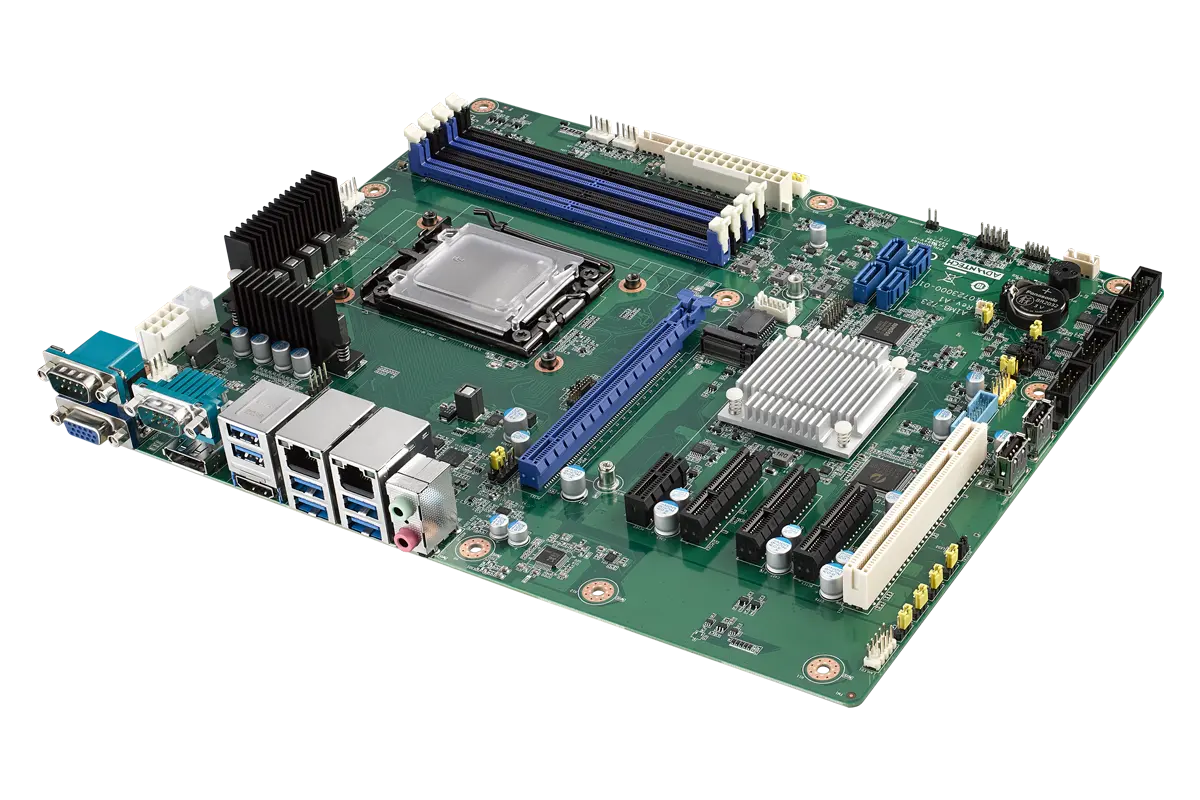
Picking the optimal x86 single board system is complex, especially when you're a proficient user. You need a device that can process substantial data, offer strong capabilities, and provide a platform for sophisticated processes.
- Various considerations shape the perfect SBC match, including processing power, RAM capacity, storage options, connectivity features, and community support.
- For reliable advanced technicians, a board with a robust CPU akin to Intel i5 or AMD variant is essential.
- Coupled with sufficient memory and quick drives importance for smooth and efficient operation.
Exclude insufficiently equipped SBC models; invest in a platform that can completely support your projects.
Extensive Insight into x86 Single Board Computers
Examining economical x86 SBC options brings promising results. These nimble solutions afford wide-reaching benefits for learners. From building smart environments to experimenting with software, x86 SBCs provide a adaptable, economical environment for learning. This guide will facilitate exploration of the broadening x86 SBC universe, unveiling the hidden potential within these remarkable devices.
- Uncover the evolution of x86 SBCs shaping the digital framework.
- Review known x86 SBC configurations, factoring specs and target users.
- Learn essential hardware components that comprise an x86 SBC system.
- Uncover software ecosystems around x86 SBCs featuring system software and dev utilities.
- Highlight groundbreaking initiatives using x86 SBCs through numerous domains.
Increasing Influence of ARM Across Traditional Desktop Markets
Despite typical association with smartphone mastery, ARM architecture is steadily making inroads over traditional desktop realms. Several factors contribute to this shift, including the increasing demand for energy-efficient computing and the growing popularity of cloud-based applications. Manufacturers including Apple integrate ARM cores in portable computers, demonstrating the potential for high output. This trend is further fueled by the development of new systems specifically tailored for desktop workloads. As these innovations mature and become more widely available, we can expect to see ARM's presence rise markedly amid coming intervals across traditional workstation fields.
x86 vs ARM What Architecture Suits Your Needs
When selecting a new computer you will encounter two dominant architectures: x86 and ARM. Both offer distinct benefits, making the decision a matter of matching your needs with the right platform.
The veteran x86 model is famous for powerful output alongside extensive application availability It governs in desktops, laptops, and workstations, particularly for demanding tasks like gaming or video production. ARM, on the other hand, accentuates energy efficiency and a compact design. This allows it ideal for mobile devices, embedded systems, and increasingly, distributed computing.
- Think about your main application reason: Are you a specialist? Do you need raw power or smart energy consumption?
- Study software functioning across architectures. Not all applications are available on both platforms.
- Account for pricing and device access depending on CPU style.
Small-sized yet High-Performing ARM Single Board Units
Single board machine sector boomed with ARM platforms favored for adaptability and resourcefulness. These compact devices pack a surprising punch, offering incredible capabilities within a miniature footprint. For hobbyists, makers, and even professionals, ARM-based SBCs provide a economical platform for everything from learning about electronics to building fully functional devices. Whether you're looking for a budget-friendly option or a high-performance powerhouse, there's an ARM-based SBC out there to meet your needs.
- We delve into leading players within this thriving sector!
Measuring ARM in Contrast to x86 Effective Speed
When comparing ARM versus the established x86 model through performance metrics we notice intriguing outcomes. While x86 has traditionally led performance capacity, particularly for compute-heavy uses, ARM solutions continuously meet challenges, especially in areas like mobile performance and energy efficiency. The recent surge in popularity of ARM-based logic units incorporated into mobile and home computing further fuels this conflict. It's important to note that benchmark results can be influenced by a myriad of factors, including the specific variant trialed, application burden, plus the OS environment. Therefore, it's crucial to consider statistics with insight beyond figures.
Are we seeing ARM Substitute x86 as Main Architecture
The silicon world undergoes ongoing transformation, and one of the most captivating patterns highlight ARM's expansion. While x86 has long held sway the market, ARM's power-saving capabilities become increasingly appealing. This has led to theories that ARM conceivably outmatch x86 as the leading architecture.
- A growing number of elements power this movement: ARM's energy-conserving build is prized for portable devices, laptops, and cloud infrastructures.
- Additionally, ARM's royalty-free nature encourages collaboration among partners, leading to a diverse selection of processors.
Still x86 upholds dominant industry status. Key players invest extensively in x86 progress, and current deployments will keep working for a long time.
Ultimately it is unclear whether ARM will fully replace x86. The software environments adapt toward mutual support of ARM and x86, with each acting effectively across multiple computing fields.
Forecast for ARM and x86 Collaboration in IT
Technology continues to transform at an unprecedented pace. Once distinct architectures, ARM and x86 are now on a collision course, converging to reshape the future of processing power. This convergence brings pioneering developments for developers and consumers alike. ARM's energy efficiency and compact design have made it the dominant force in mobile devices, while x86 has long reigned supreme in desktops and servers. However, the lines are blurring, driven by factors such as the increasing demand for mobile computing and the rise of cloud services.
- This amalgamation will create differing technology platforms, powered by hybrid architectures that take advantage of attributes across both frameworks. This could result in higher-performing mobile gadgets with enhanced energy storage alongside economical servers.
- Besides inventors welcome diversified development utilities, enabling them to create innovative applications that surpass conventional thresholds. The future of computing raises hopeful expectations, with ARM and x86 convergence playing a pivotal role in shaping the next generation of technology.