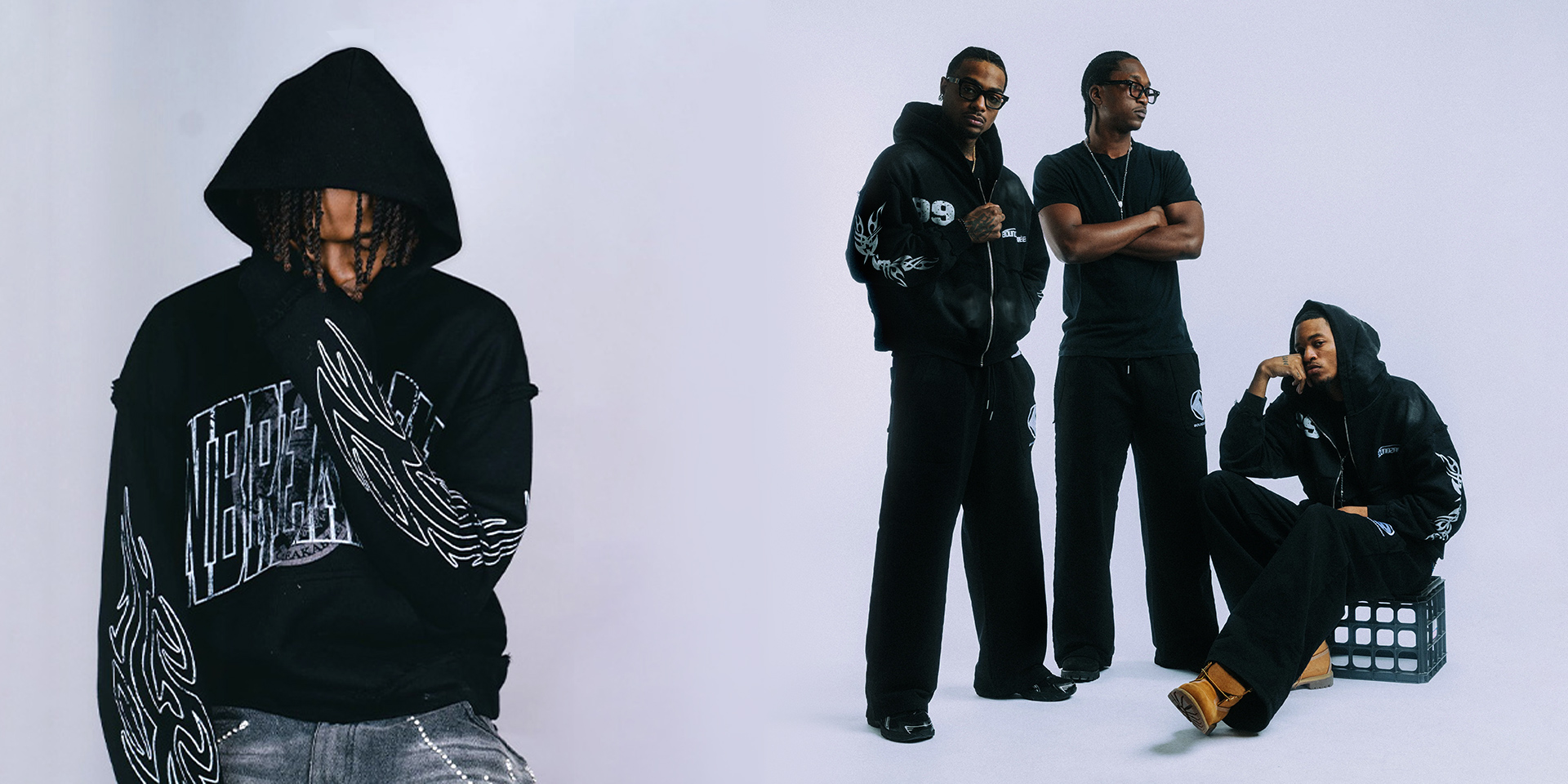
What makes a men's streetwear clothing manufacturer reliable for sweatsuits collections?
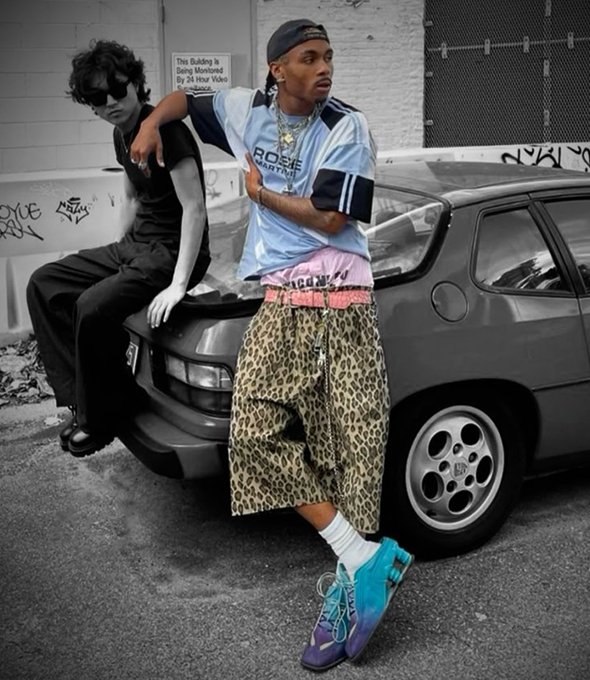
Can a China men's clothing manufacturer produce plus-size hoodies and T-shirts for streetwear brands?
A heavyweight hoodie looks simple on a rack, but when you scale it to a 3XL or 4XL, most production problems start before the fabric is even cut. A lot of independent brands with real traction assume that making plus-size streetwear is just about adding inches to a tech pack. They take their best-selling L size, multiply the dimensions, and send it to a factory. Then the pre-production sample arrives, and the silhouette is completely destroyed. The drop shoulder sits in the wrong place, the neckline chokes, the graphic is warped across the chest, and the whole piece hangs like a tent instead of a structured garment.
The reality of plus-size streetwear manufacturing is that it is an entirely different engineering game. When established streetwear brands decide to expand their sizing to include plus-size hoodies and T-shirts, they are not just changing a size chart—they are changing the physics of the garment. It requires real pattern development, aggressive shrinkage control, and a production partner who understands that a 400gsm French Terry hoodie behaves differently when there is 40% more fabric involved. This is where the gap between a generic apparel factory and a specialized streetwear manufacturer becomes painfully obvious.
Can a China men's clothing manufacturer actually handle plus-size streetwear production?
Yes, a specialized China men's clothing manufacturer can handle plus-size streetwear production, but only if they have dedicated pattern engineering teams. General factories fail because they use basic linear grading, which distorts the fit. A real streetwear production partner rebuilds the pattern from the ground up to maintain the intended silhouette, drape, and structural integrity for larger bodies.
The problem with most factories is that they treat plus-size as an afterthought. When a brand sends a tech pack for a size run from S to 4XL, a standard factory will just apply a generic grading formula. They add a standard amount of width and length for every size up. But human bodies do not scale linearly. When you apply basic grading to an oversized fit, the proportions collapse. The armholes get too deep, the chest width gets absurdly wide while the hem stays tight, and the neck opening becomes too large, throwing off the entire balance of the hoodie or T-shirt.
For streetwear brands with proven sales, this is a massive risk. Your audience buys your product for the specific aesthetic—the boxy crop, the structured drop shoulder, the stacking on the sleeves. If the 3XL customer gets a hoodie that looks like a completely different design than the medium, the brand equity takes a hit. A specializedstreetwear apparel manufacturer in Chinaapproaches this differently. They do not just grade up; they re-engineer the pattern block. They adjust the slope of the shoulder, they redefine the armscye to prevent bunching under the armpit, and they recalibrate the ribbing tension at the waist so the hoodie sits correctly instead of riding up or sagging down.
Why does plus-size fit in streetwear require real pattern development, not just size scaling?
Plus-size fit requires real pattern development because linear scaling destroys the structural balance of streetwear. If a factory simply enlarges a medium pattern, the drop shoulder falls too low, armholes become restrictive, and the neckline widens unnaturally. Specialized streetwear factories re-engineer the block to ensure the intended boxy or oversized drape remains consistent across all sizes.
When product development teams are working on a heavy cotton T-shirt or a heavyweight hoodie, they spend weeks perfecting the drape. But when that pattern moves into plus-size territory, the weight of the fabric itself starts to fight against the design. Let's say you are making a 300gsm acid wash T-shirt. In a size medium, the fabric falls perfectly from the shoulder. In a 4XL, there is significantly more fabric weight pulling down on the shoulder seams and the neckline. If the pattern is not adjusted to handle that extra weight, the neckline will stretch out after one wash, and the shoulder seams will start to drag.
This is why procurement teams must ask hard questions about pattern development before committing to a factory. You need a cut-and-sew streetwear factory that understands how to balance the silhouette. For a plus-size hoodie, the hood itself needs to be recalibrated. If you just scale up the body but leave the hood proportions the same, the hood becomes too heavy and pulls the front of the neckline tight against the throat. A true streetwear clothing manufacturer will adjust the hood depth and width, ensuring it remains functional and aesthetically correct without throwing off the balance of the entire garment.
What fabric weight and construction details matter most for plus-size hoodies and tees?
For plus-size hoodies and tees, fabric weight and structural reinforcement are critical. Heavyweight fabrics like 400gsm French Terry or 260gsm cotton provide necessary structure, preventing the garment from clinging. Procurement teams must ensure the manufacturer uses reinforced shoulder seams, higher-density ribbing, and proper shrinkage control to handle the increased fabric mass and tension.
Fabric behaves differently when there is more of it. A lightweight 180gsm jersey might feel great on a slim-fit tee, but on a 3XL oversized graphic tee, it will lack the structure needed to hold the boxy shape. It will drape poorly and cling to the body in ways the customer does not want. This is why established streetwear labels gravitate toward heavyweight materials. A 260gsm or 300gsm cotton jersey for T-shirts, and a 400gsm to 500gsm French Terry or fleece for hoodies, provides the architectural stiffness required to maintain the streetwear silhouette on a larger frame.
But heavy fabric brings its own set of manufacturing challenges, especially in bulk production. More fabric means more weight, and more weight means more stress on the seams. If a factory uses standard single-needle stitching on the shoulders of a 4XL heavyweight hoodie, those seams are going to pop. A premium streetwear manufacturer will use double-needle topstitching, twill tape reinforcement across the back neck and shoulders, and higher-density ribbing at the cuffs and hem to ensure the garment holds its shape over time. Furthermore, shrinkage control becomes a massive issue. If a fabric has a 5% shrinkage rate, a medium hoodie might lose half an inch in length. A 4XL hoodie might lose almost two inches. If the factory does not pre-shrink the fabric or adjust the pattern to account for batch-level variation, the final product will be unwearable after the first wash.
Where does sample-to-bulk go wrong in plus-size streetwear production?
Sample-to-bulk goes wrong in plus-size production when factories fail to adjust graphic placements, wash times, and seam tolerances for larger dimensions. A graphic that looks centered on a medium will look awkwardly small or misplaced on a 3XL. Specialized manufacturers recalibrate print screens and wash processes specifically for larger garments to ensure visual consistency.
One of the most common disasters in streetwear production is the graphic placement on plus-size garments. Design teams often approve a pre-production sample in a size medium or large. The screen print looks perfect, spanning the ideal width across the chest. But when bulk cutting and sewing happen, the factory uses that exact same screen size for the 3XL and 4XL run. Suddenly, the massive chest graphic looks like a tiny square floating in the middle of a huge shirt. The visual impact is completely lost.
A true OEM streetwear manufacturer knows that graphics must be graded just like the pattern. They will burn separate screens for the plus-size run to ensure the print-to-garment ratio remains consistent. The same logic applies to wash techniques. If you are doing a vintage wash or an enzyme wash, the chemical reaction and mechanical abrasion in the wash wheels affect large garments differently than small ones. A 4XL hoodie takes up more space in the machine, meaning it might not get the same level of distressing or fading as a medium unless the factory adjusts the load size and wash time. Sample-to-bulk mismatch is the silent killer of streetwear brands, and it is almost always caused by a factory trying to apply small-size logic to large-size production.
What should procurement teams check before approving a plus-size streetwear sample from China?
Before approving a plus-size sample, procurement teams must check the silhouette balance, seam stress points, graphic-to-body ratio, and wash consistency. They should demand a full size set for the pre-production sample (PPS) rather than just a medium, and verify that the manufacturer has adjusted the tech pack specifically for the plus-size grading.
When dealing with complex garment construction, you cannot approve a bulk run based on a size medium sample. It is a fundamental sourcing error. Procurement teams and merchandising teams must require a pre-production sample (PPS) in the largest size of the run—whether that is a 3XL or 4XL. When that sample arrives, the inspection needs to be rigorous.
First, check the fit on a fit model, not just on a table. Does the drop shoulder still look intentional, or does it just look sloppy? Is the neckline sitting flat, or is the weight of the hood pulling it back? Second, check the construction. Pull on the shoulder seams and the armhole joints. Are they reinforced to handle the weight of the heavyweight cotton? Third, measure the graphic placement. Is it scaled correctly for the chest width? Finally, review the fabric hand feel and shrinkage. Wash the 4XL sample twice. If it shrinks disproportionately or the enzyme wash effect fades unevenly, the factory does not have control over their finishing processes. A reliable manufacturer for streetwear clothing brands will proactively provide these adjustments in the tech pack review phase, rather than waiting for the brand to catch the mistakes.
How do established streetwear brands evaluate a China-based streetwear clothing manufacturer for plus-size development?
Established brands evaluate a manufacturer based on their pattern engineering capabilities, handling of heavyweight fabrics, and strict sample-to-bulk alignment. They look for factories that do not just execute basic grading, but actively re-engineer tech packs to maintain the structural integrity and aesthetic of plus-size streetwear.
Finding a factory that can sew a hoodie is easy. Finding a factory that can engineer a 400gsm plus-size drop-shoulder hoodie with a vintage wash and a cracked puff print is incredibly difficult. Brands with validated market demand do not look for the cheapest option; they look for technical capability. They evaluate a factory based on how they handle the tech pack. If a factory receives a tech pack for a 4XL oversized hoodie and says "no problem" without asking any questions about grading rules, hood weight, or print scaling, that is a massive red flag.
A real production partner will streetwear manufacturer push back. They will suggest adjusting the armscye depth, they will recommend a higher density ribbing to prevent the hem from flaring, and they will insist on running a separate wash test for the larger sizes. This level of technical intervention is what separates a generic supplier froma reference point for specialized custom streetwear production. When a China-based customstreetwear clothing manufacturerunderstands the nuances of silhouette imbalance, fabric hand-feel differences, and batch-level variation, they stop being just a factory and become a critical part of the brand's product development process.
Ultimately, plus-size streetwear is not a niche market—it is a core requirement for any brand that wants to scale seriously. But it requires an acknowledgment that bigger sizes demand better engineering. If your manufacturer is just adding inches, they are destroying your design. The brands that win in this space are the ones who treat their 4XL development with the exact same technical rigor as their sample size.