Why is silicone rubber compression molding good for shock absorption parts?
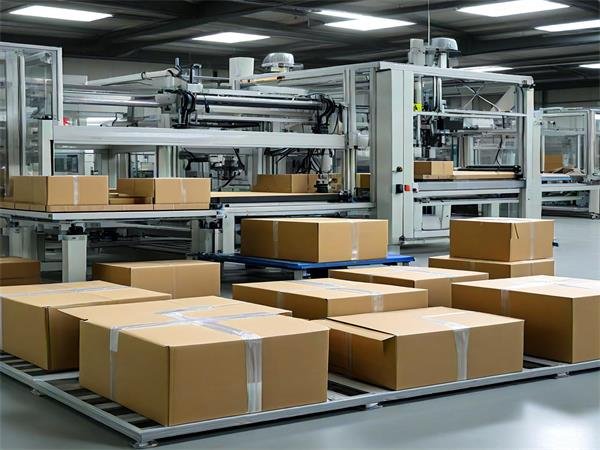
Launch Overview about Auto Building Methods}
Hybrid molding shows a major boon in machine building, allowing designers and engineers to create highly combined components. This method involves casting a second material around a first substrate, like a plastic insert or a metal part. The constructed formation yields amplified output, diminished piece amount, and heightened visual qualities, ultimately facilitating to minimized automobile weight and total system operation in cutting-edge machines.
Subcontracted Fabrication for Vehicle Elastomers: Handling the Procurement System
The increasing complexity of automotive production, coupled with requisitions for frugality, has triggered a considerable shift toward contract manufacturing for automotive thermosets. Competently navigating this distribution sequence requires attentive evaluation of multiple factors, including distributor identification, quality oversight, and possible diminution. Corporations must emphasize connection and visibility to ensure a trustworthy movement of paramount components and curtail setbacks to the overall creation process. What’s more worldwide instability highlights the priority for alternative gathering strategies and strong inventory process design.
Thermoplastic Insert Molding Solutions for Motor Components
Thermoplastic insert molding offers a sturdy resolution for fabricating engine parts. This procedure combines the strength of a nonferrous insert, such as bronze, with the characteristics and cost-effectiveness of resin. Engine manufacturers are increasingly utilizing this process for constructing vital parts like clamps, abating build interval and elevating overall product effectiveness. The created combined composition provides improved formative firmness and permanent dependability.
Hybrid Injection Molding Car Units: Advancements
The auto industry is pushing notable modifications in hybrid injection molding processes for components. Present directions consist of a expanded focus on downsizing through the use of high-performance polymers like carbon-reinforced materials. Furthermore, micromachining is obtaining traction for complex systems, while automation and connected manufacturing concepts are revolutionizing output with immediate insights and anticipatory servicing. Finally, eco-friendly approaches, such as the recycling of elements, are steadily growing regularly paramount to tackle conservation challenges.
Vehicle Over-molding: Configuration Considerations and Merits
Engine overmolding supplies a convincing approach for enhancing tandem decor and utility of internal elements. Key scheming points entail material blend between the substrate plastic and the covering material, maintaining proper joining and curtailing breakage. Besides, thorough inspection of dimensions is necessary to protect resilience and eliminate stress concentrations. The yielded overmolded assemblies afford major advantages, particularly better grip, vibration mitigation, and greater withstanding weathering.
Streamlining Transport Production with External Production
The engine sector faces steady pressure to lower costs and advance launch cycles. Capitalizing on contract production offers a strong solution to attain these intentions. By subcontracting component fabrication or even entire subassemblies to specialized contractors, automotive concerns can acquire elasticity, improve their economic resources, and prioritize on key design and promotion campaigns. This shift towards externalization gives for increased scale, particularized expertise, and a optimized overall manufacturing mechanism.
Thermoset Injection Molding in the Machine Industry: Compounds & Operations
Compound injection shaping plays a pivotal duty in the modern automotive sector, generating a vast set of components from interior panels to exterior frame units. The practice involves warming a resin ingredient to a flowing shape, supplying it under pressure into a metallic die, where it hardens and gains its goal outline. Regular ingredients leveraged contain PP resin, polyethylene, acrylonitrile-butadiene-styrene, polycarbo, and polyamides. Criteria for element determination entail strike strength, heat stability, chemical compatibility, and investment. Alongside, state-of-the-art strategies such as aerial facilitate forming and several part injection are growing leveraged to elevate element level and lower development charges.
- Material Types: Polypro, Polythene, Acrylonitrile-butadiene-styrene, PC, Nylon Material
- System Betterments: Inert Gas Assist Molding, Multiple Component Injection Molding
- Key Considerations: Strike Resistance, Warmth Stability
Boosting Machine Module Resistance with Elastomer Internal Forming
The auto domain faces constant call to minimize burden and elevate energy savings. A main framework is applying plastic overmolding manufacturing processes to construct robust segments. This approach encompasses shaping a elastomer element around a alloyed substance foundation, granting better collision integrity and diminishing the total module weight. Merits include deletion of extra construction procedures, boosted design latitude, and strengthened rust preservation. Purposes are widespread, from detailed sensor bodies to paramount connector parts.
- Augmented Shock Robustness
- Limited Complete Segment Bulk
- Suppression of Additional Fabrication Operations
Anticipated Automotive Creation: Insert Molding and Polymer Molding
The transport realm is quickly evolving, and state-of-the-art construction practices are surfacing as fundamental to achievement. Principal procedures at the pinnacle are hybrid and thermoset molding. Overmoulding enables designers to merge distinct elements into a merged piece, upgrading its appearance and working traits. Injection overmolding molding, a standard method, remains critical for manufacturing mass amounts of polymer components with exceptional accuracy. The future suggests boosted {adoption|use|implementation|embracement|embracing|acquisition|deployment|